June birth flower meaning by color
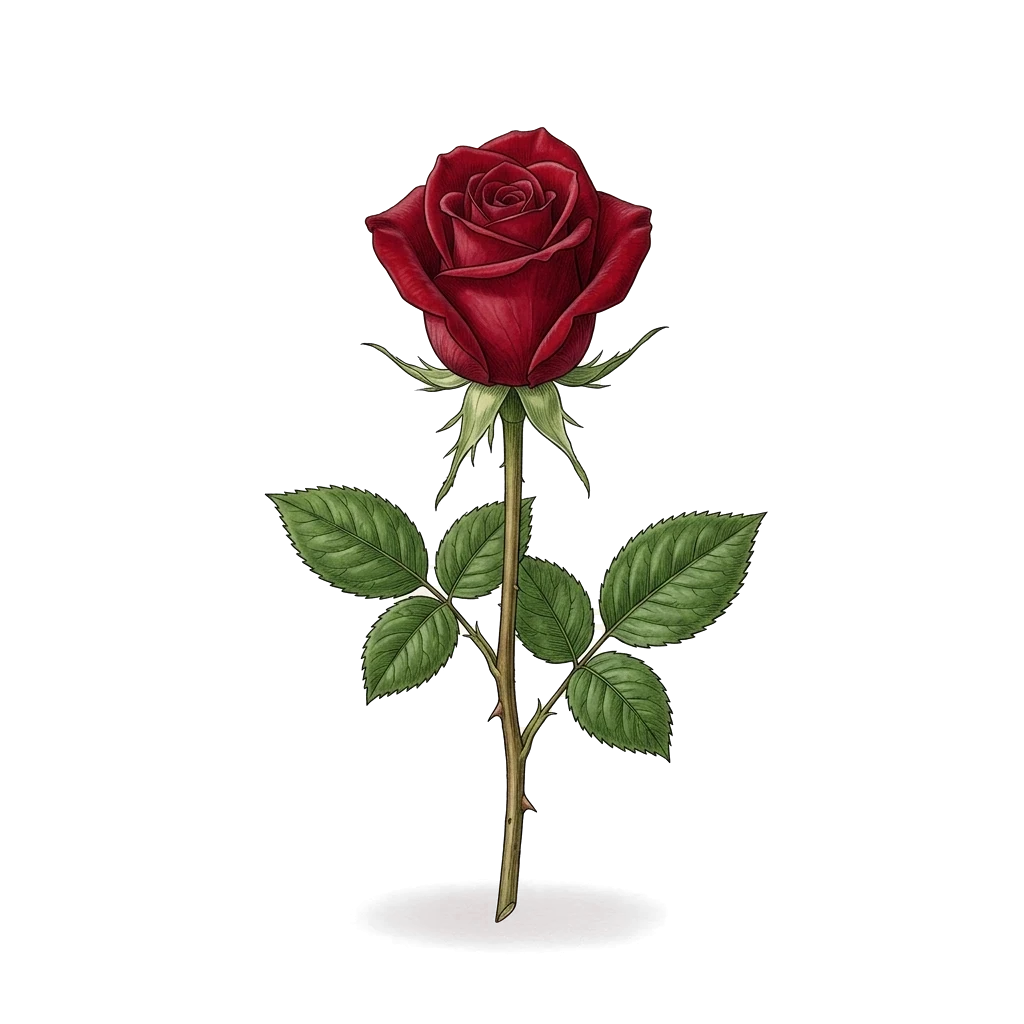
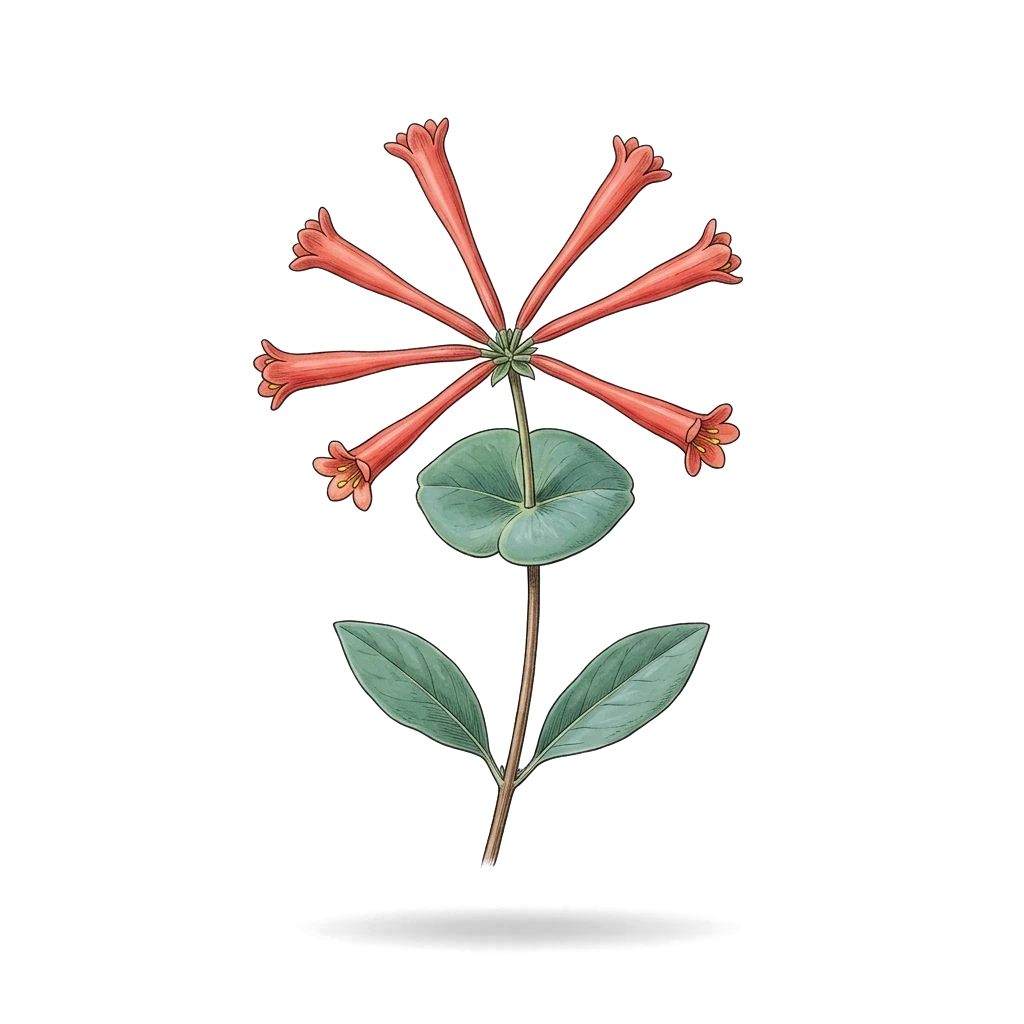
The rose stands for love and passion, and the honeysuckle for affection. Every rose color carries its own message, and the Victorians had their own readings: Greenaway’s 1884 list gives the white rose “I am worthy of you” and the yellow rose “decrease of love, jealousy.”
| Color | Meaning today | Victorian (1884) |
|---|---|---|
| Red | Love and romance 1884: Pure and lovely (red bud) | |
| Deep red | Mourning 1884: Bashful shame | |
| Pink | Happiness and admiration | |
| White | Innocence and purity 1884: I am worthy of you | |
| Yellow | Cheer and happiness 1884: Decrease of love, jealousy | |
| Lavender | Love at first sight | |
| Orange | Desire and excitement | |
| Coral | Friendship, modesty, sympathy |
- Coral pink
- Yellow
- Cream
A red and a white rose together stand for unity, as they did in 1884. The honeysuckle traditionally stood for happiness and affection for a new love, and for nostalgia for a first love. Greenaway gives it “generous and devoted affection.”
History and folklore of roses and honeysuckle
In 15th-century England, red and white roses were badges of the houses of Lancaster and York, though the name Wars of the Roses only caught on centuries later, after Walter Scott’s 1829 novel Anne of Geierstein. How that story grew, along with sub rosa and the rose’s other myths, is in our guide to rose meaning. Today the rose is the national floral emblem of the United States.
The name honeysuckle goes back to the Old English hunisuce, after the sweet nectar people sucked from the flowers.
Rose vs. honeysuckle: which June birth flower is yours?
| Flower | Meaning | Blooms | Pets |
|---|---|---|---|
Rose Woody shrub or climber
| Love and passion 1884: Love Non-toxic to dogs, cats and horses | ||
Honeysuckle Woody vine
| Affection 1884: Generous and devoted affection Not in the ASPCA’s plant list |
Most lists give the rose first, which makes it the usual birth flower for June, but the honeysuckle counts just as much. The rose is the cut flower of the pair, and the honeysuckle is a garden vine. Many honeysuckles are fragrant. The native trumpet honeysuckle draws hummingbirds, though NC State describes its blooms as non-fragrant.
How to grow roses and honeysuckle
Growing rose
- Type
- Woody shrub or climber
- Blooms
- Summer
- Sun
- Full sun
- USDA zones
- 5–11
- Native to
- The temperate and subtropical Northern Hemisphere
Growing honeysuckle
Facts for trumpet honeysuckle (Lonicera sempervirens), a native US vine
- Type
- Woody vine
- Blooms
- Spring to summer
- Sun
- Full sun to part shade
- USDA zones
- 4–9
- Native to
- The southeastern United States
Roses want full sun. They’re grouped into species roses, old garden roses (classes that existed before 1867) and modern roses bred since. Honeysuckles are vigorous climbers that need strong supports. Check invasive species lists before planting: Japanese honeysuckle (Lonicera japonica) is one to avoid, and the native trumpet honeysuckle is a common choice. Our honeysuckle meaning page shows how to tell a native vine from an invasive one.
Are roses and honeysuckle poisonous to pets?
Rose
- Pets
- Non-toxic to dogs, cats and horses
- People
- Not listed as poisonous
Honeysuckle
- Pets
- Not in the ASPCA’s plant list The ASPCA’s “honeysuckle fuchsia” entry is Fuchsia triphylla, a different plant.
- People
- Not listed as poisonous This line is for the native trumpet honeysuckle, which NC State gives no poison listing; it calls the red berries inedible.
In the US, if a pet may have eaten part of a plant, call your vet or the ASPCA Animal Poison Control Center at (888) 426-4435. If a person has, call Poison Control at 1-800-222-1222.
The berries are another matter: NC State lists those of the invasive Japanese honeysuckle as poisonous, with medium severity.
June birth month flower gift ideas
-
Roses in a meaningful color
Pick a color from the table above, such as pink for admiration, yellow for cheer, or red and white together for unity.
-
A trumpet honeysuckle for the garden
A native vine that draws hummingbirds, for a June-born gardener with a fence or arch to cover.
-
A jar of dried rose petals
Rose petals have long been used for potpourri, a keepsake that lasts long after the bouquet.
-
Rose or honeysuckle jewelry
A small rose or honeysuckle pendant, worn long after June’s flowers have faded.
Tattoo ideas for June’s flowers
-
A single rose
The classic: a rose in bloom or in bud, in fine line, blackwork or color.
-
Honeysuckle vine
Tubular flowers in pairs or clusters along a twining stem suit a design that wraps the wrist or ankle.
-
Red and white together
A red and a white rose side by side carry their old meaning of unity, a good fit for a couple.
-
A June bouquet
A rose and honeysuckle together, or with the birth flowers of family members.
For fine-line sketches of the rose and honeysuckle you can download, the same designs in three styles, and placements, see our June birth flower tattoo guide.
Rose and honeysuckle colors for parties and design
Rose reds and pinks with honeysuckle coral and yellow make a warm palette for a June birthday or a summer wedding. The codes for each are below.
- Red Rose #B3122E rgb(179, 18, 46)
- Deep red Rose #5C0A1E rgb(92, 10, 30)
- Pink Rose #EE8FA8 rgb(238, 143, 168)
- White Rose #F7F3EE rgb(247, 243, 238)
- Yellow Rose #F4CF4A rgb(244, 207, 74)
- Lavender Rose #B79AD0 rgb(183, 154, 208)
- Orange Rose #F08A3C rgb(240, 138, 60)
- Coral Rose #F2785C rgb(242, 120, 92)
- Coral pink Honeysuckle #E98C7A rgb(233, 140, 122)
- Yellow Honeysuckle #F2D27A rgb(242, 210, 122)
- Cream Honeysuckle #F6EBD2 rgb(246, 235, 210)