How the birthstone list came about
The idea of twelve stones for twelve months is old. The historian Josephus, writing in the first century, linked the twelve stones of the high priest’s breastplate in Exodus to the twelve months and the signs of the zodiac. The zodiac birthstones grew out of that second idea. Translations of those stones vary so widely that no single ancient list exists.
Wearing one stone for your own birth month came much later. The mineralogist George F. Kunz traced the custom to 18th-century Poland.
The list used in the US today dates from August 1912, when the National Association of Jewelers adopted a standard list at its meeting in Kansas City. Kunz printed it the following year and disapproved of it: he warned against letting dealers’ commercial interests rearrange the traditional stones.
Since then the list has changed three times:
- 1952: the Jewelry Industry Council of America added alexandrite to June, citrine to November, pink tourmaline to October and zircon to December.
- 2002: the American Gem Trade Association added tanzanite to December.
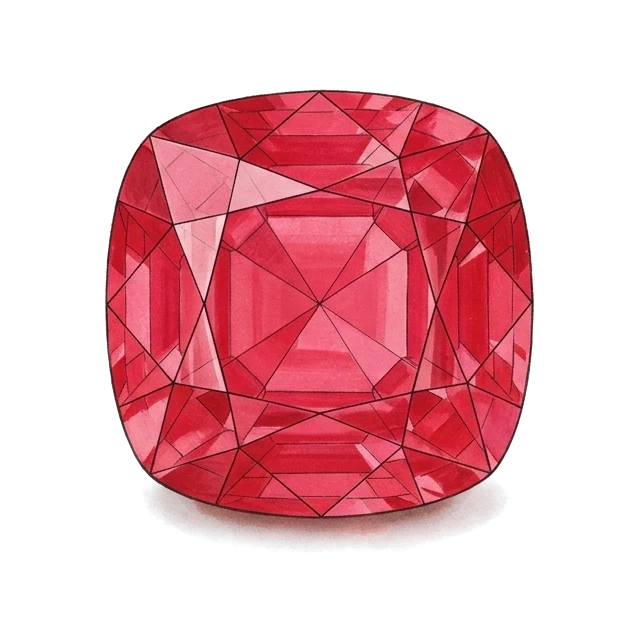
- 2016: the American Gem Trade Association and Jewelers of America added spinel to August.
Modern vs. traditional birthstones
Charts use “traditional” for two different lists, which is why they disagree. The table puts all three side by side:
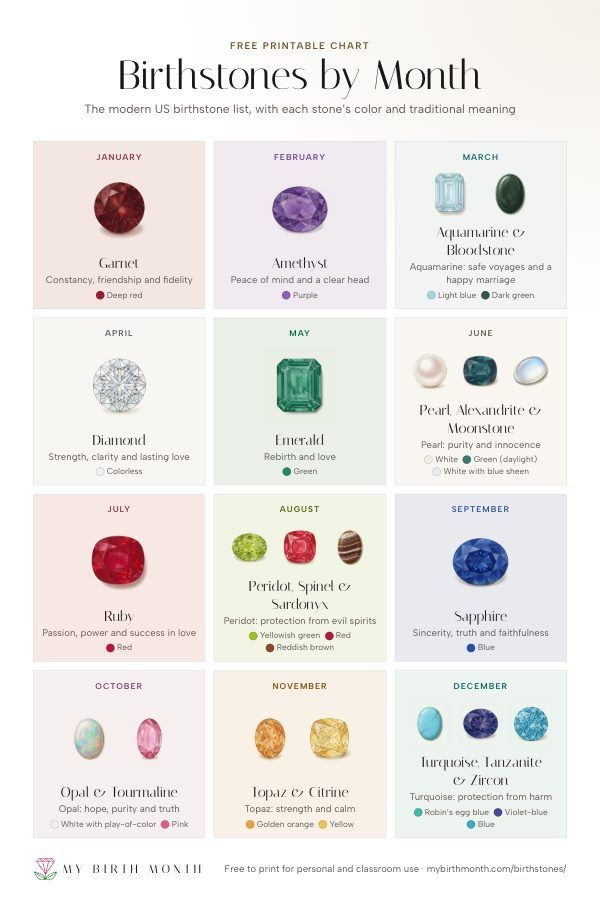
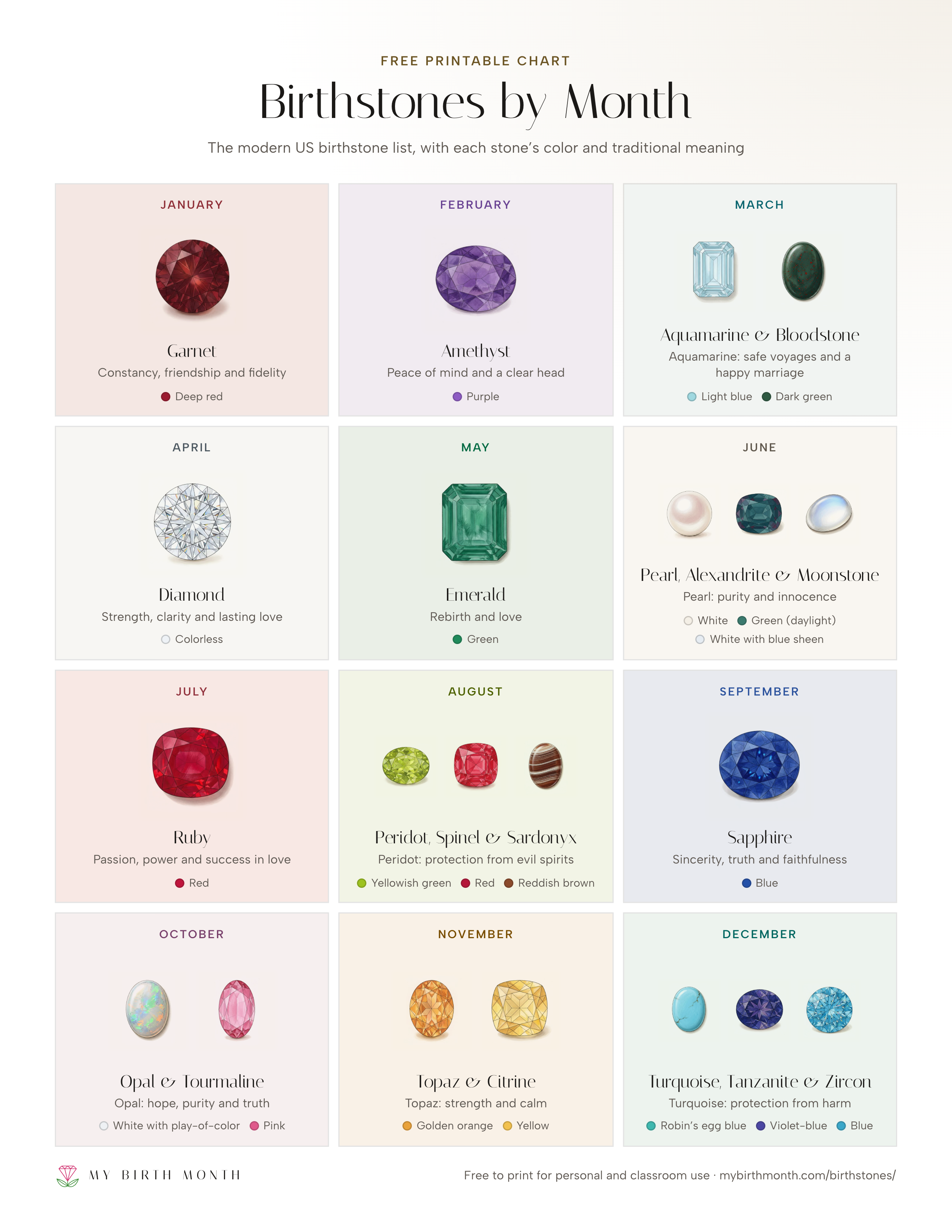
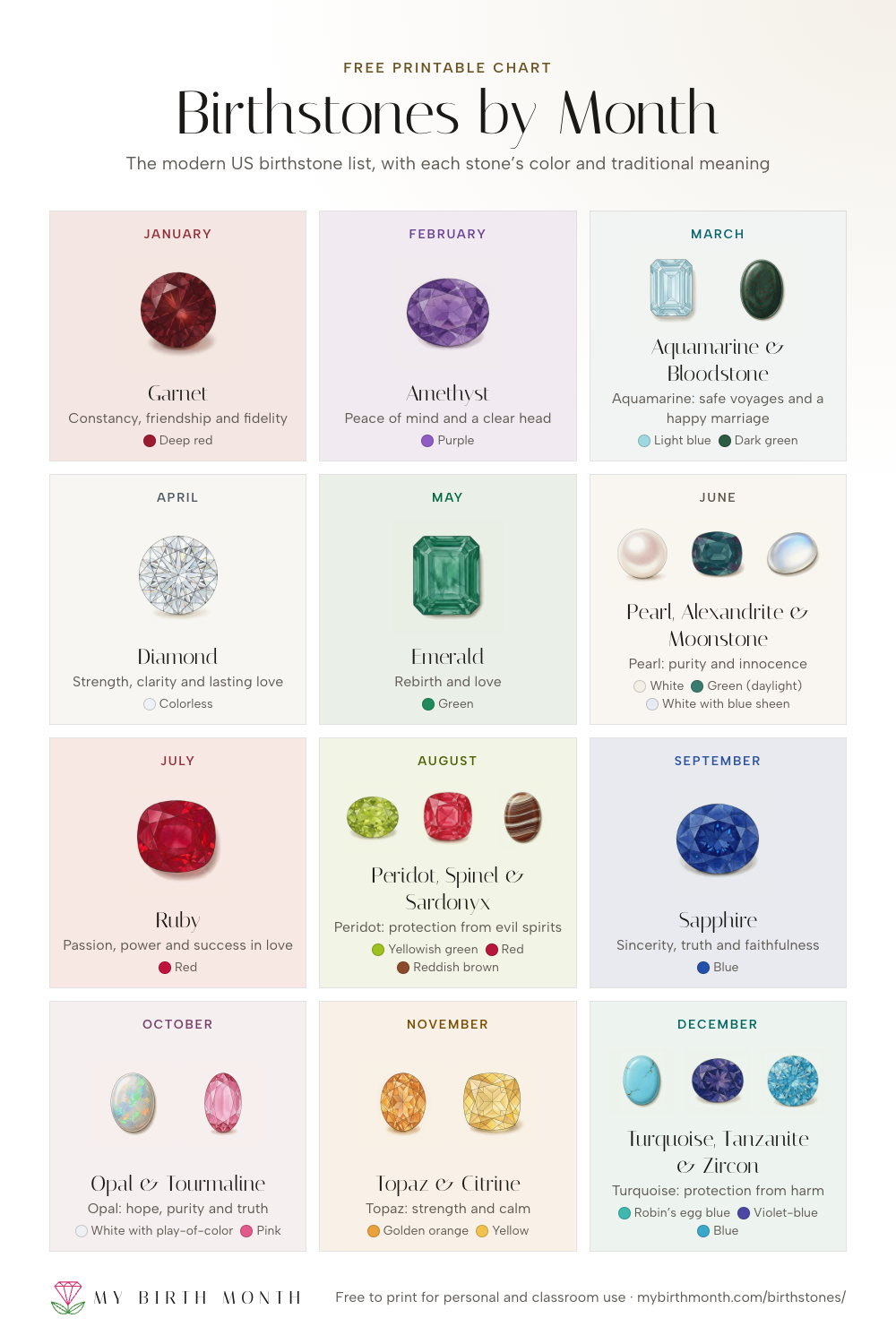
- Modern: the US list jewelers use today, as the American Gem Society publishes it.
- 1912: the original Kansas City list, with its main stone first and the alternate second.
- Older tradition: the stones Kunz recorded for each month in 1913, the ones the old birthstone verses name (“No gems save garnets should be worn / By her who in this month is born”).
| Month | Modern | 1912 | Older tradition |
|---|---|---|---|
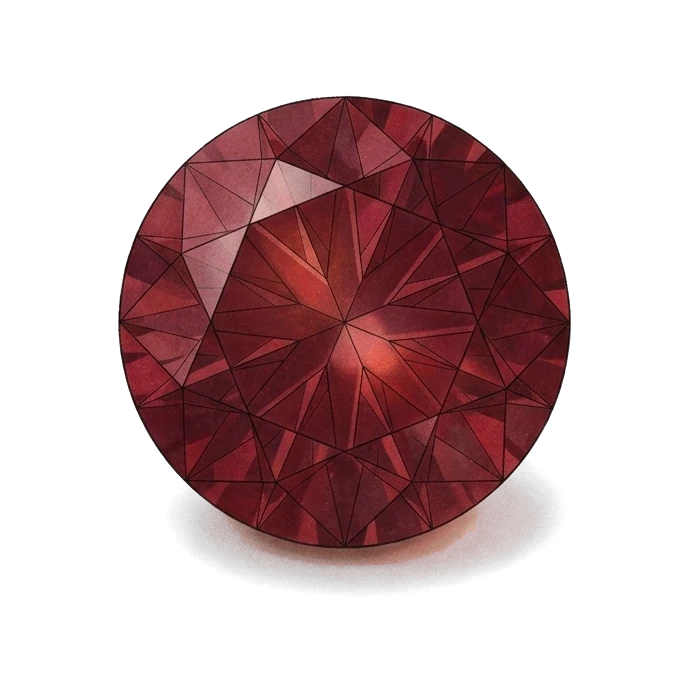
| Jan January | Garnet | Garnet | Garnet |
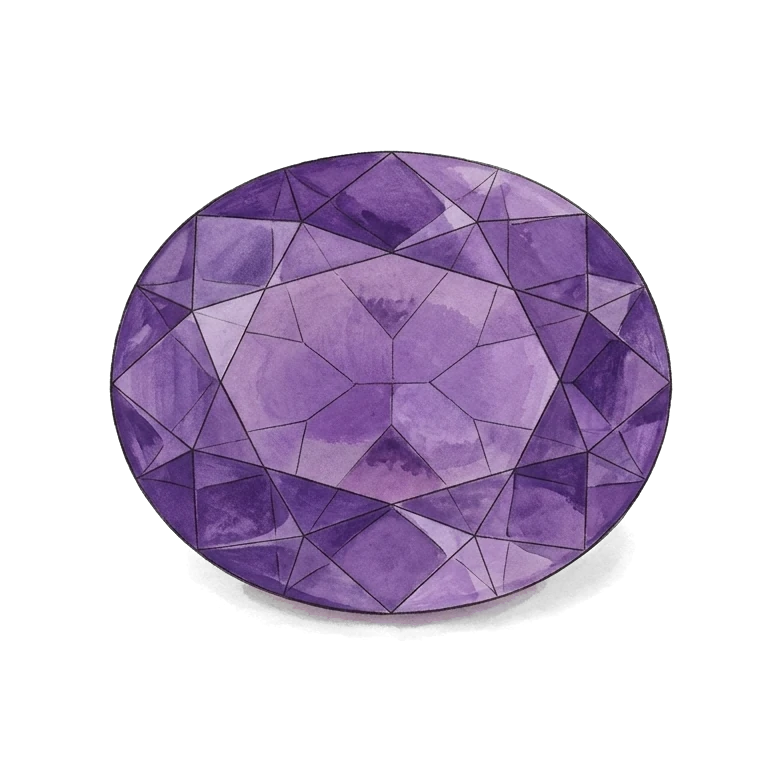
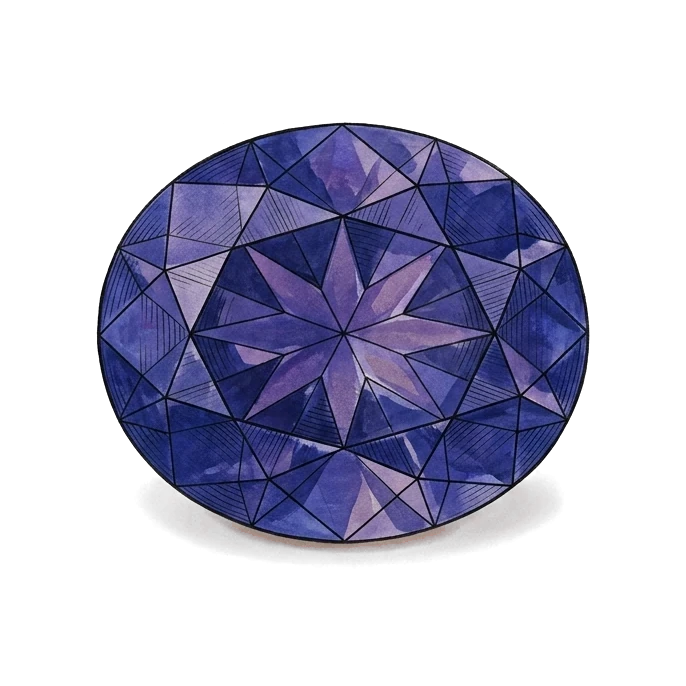
| Feb February | Amethyst | Amethyst | Amethyst |
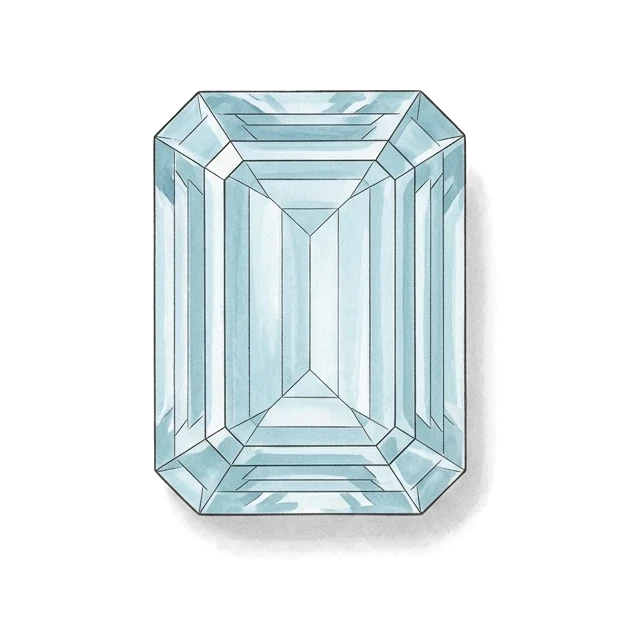
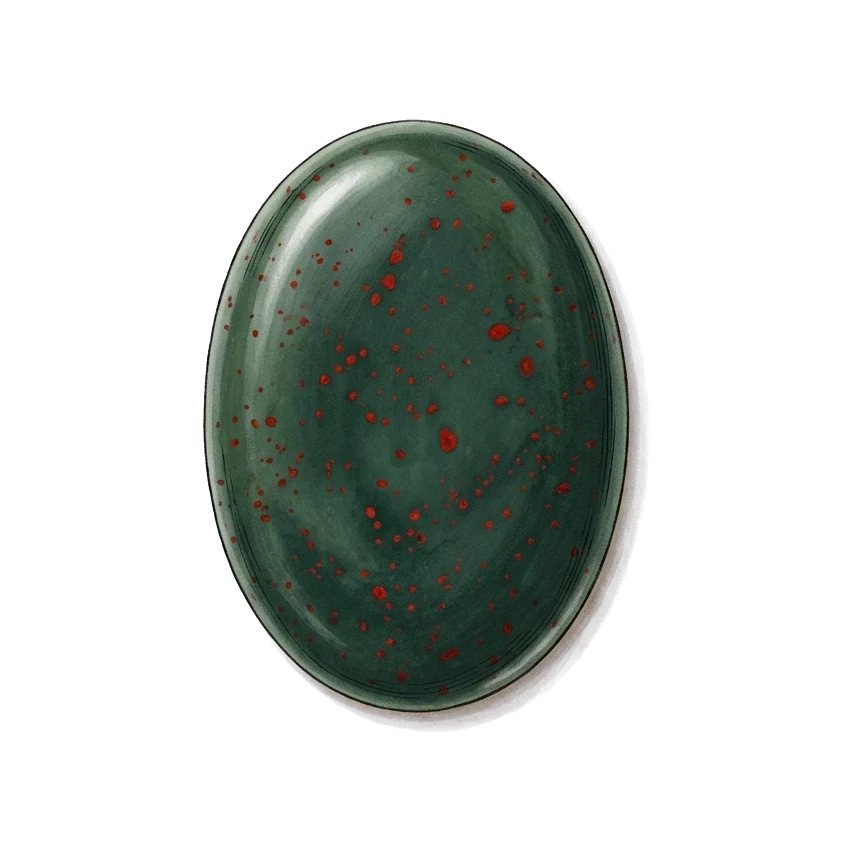
| Mar March | Aquamarine and bloodstone | Bloodstone and aquamarine | Jasper and bloodstone |
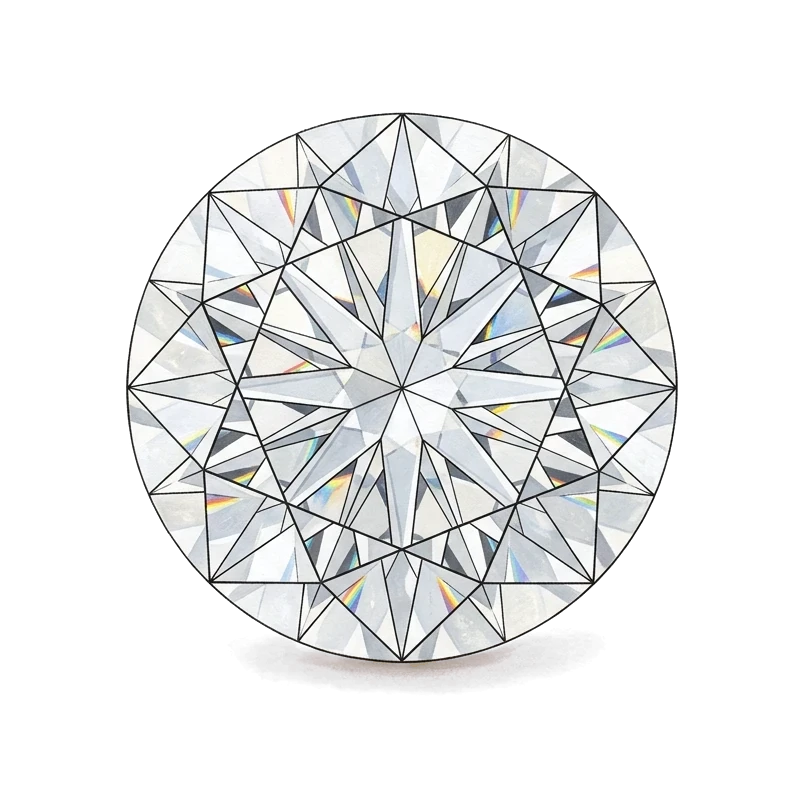
| Apr April | Diamond | Diamond | Diamond and sapphire |
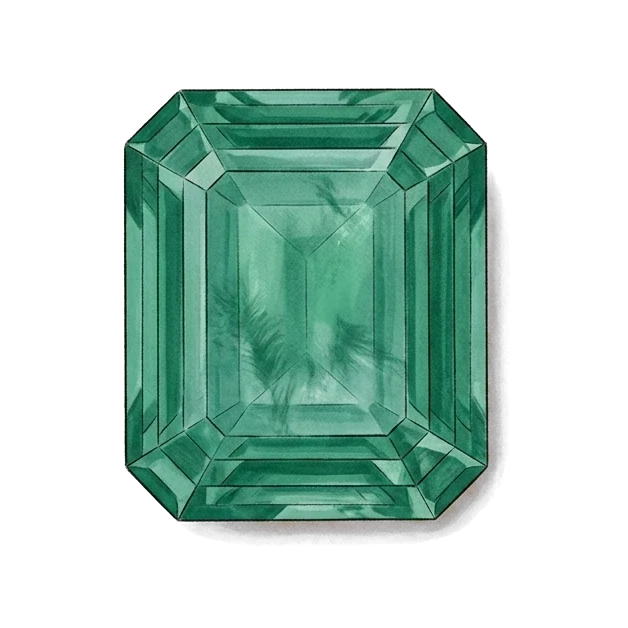
| May May | Emerald | Emerald | Emerald |
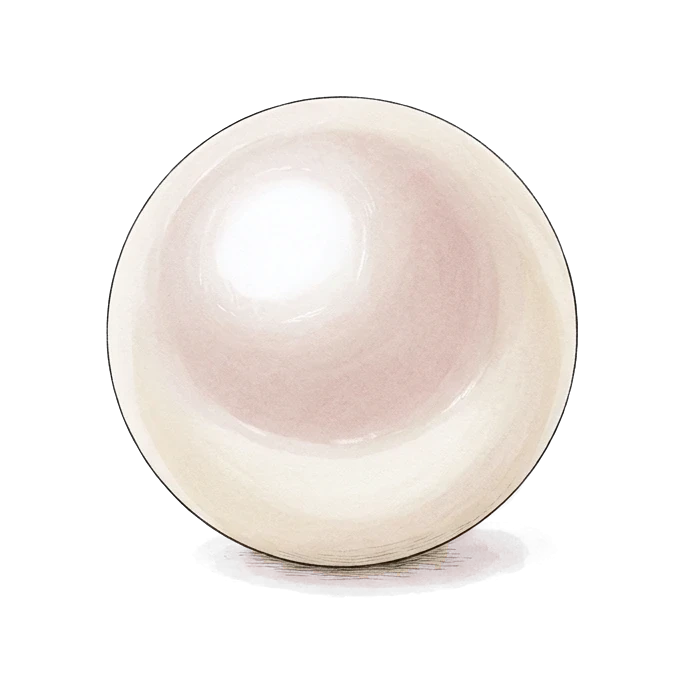
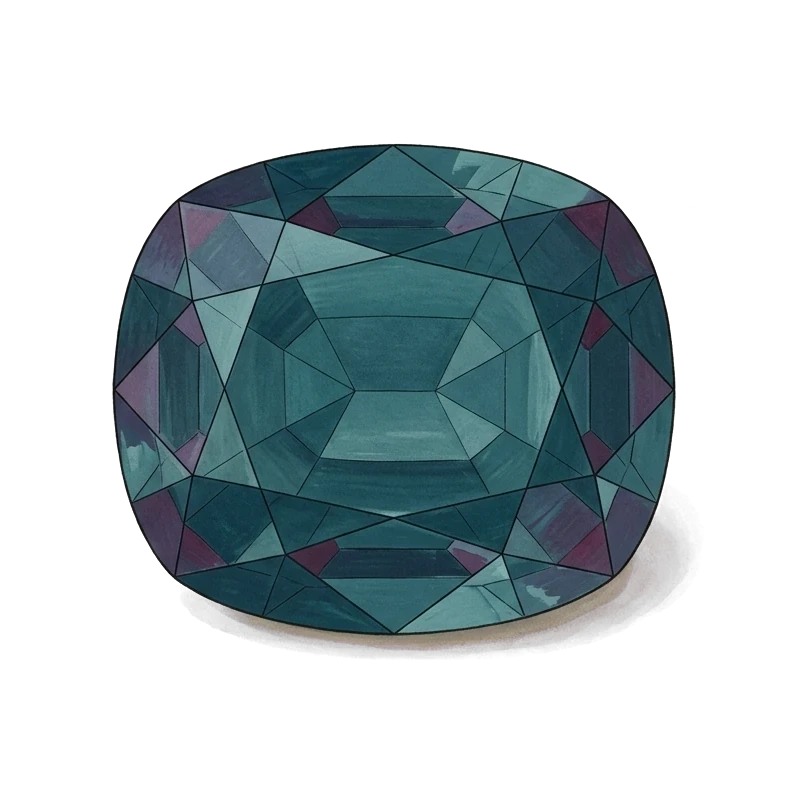
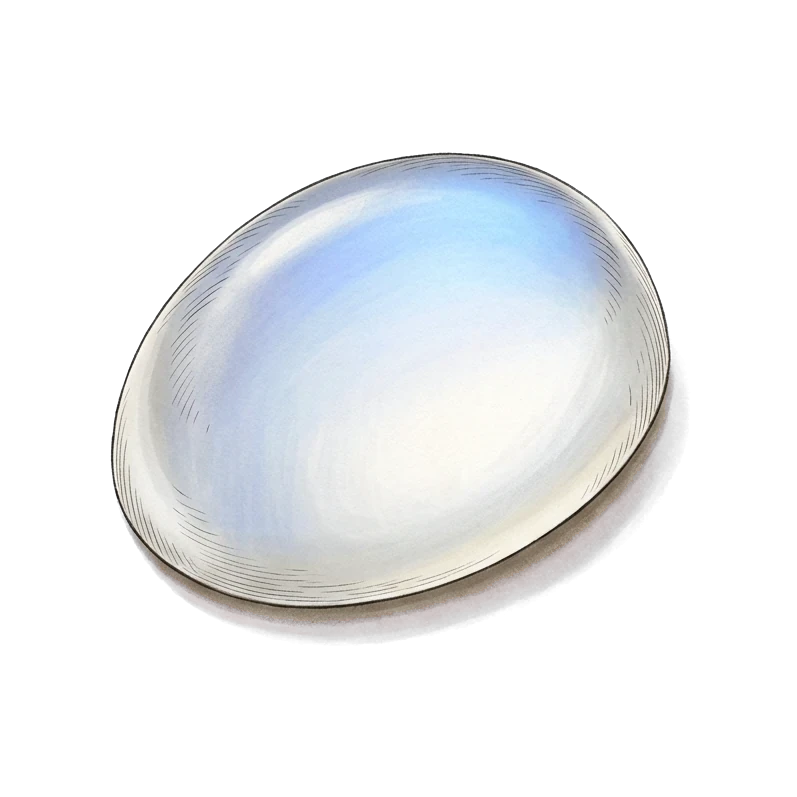
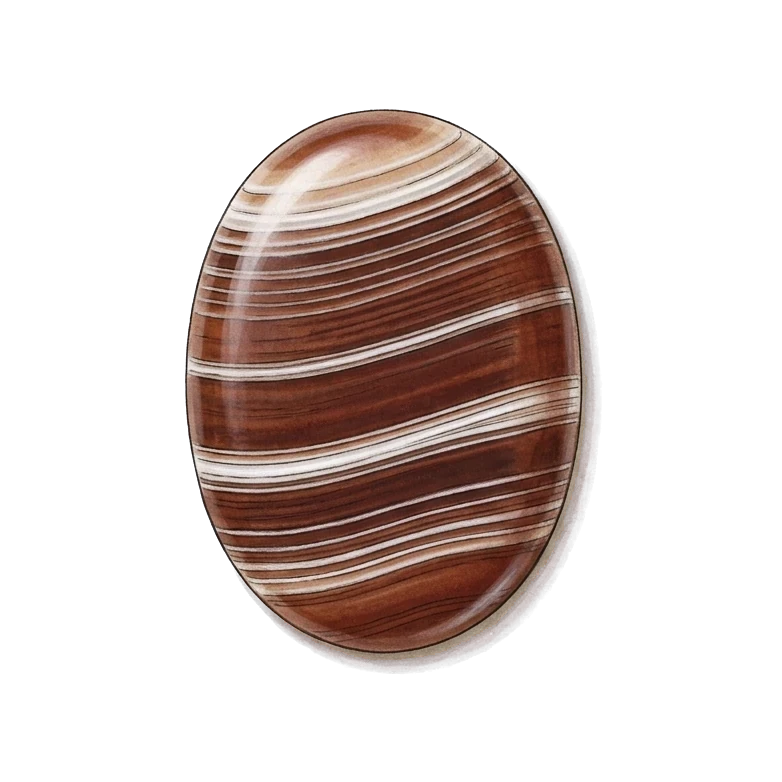
| Jun June | Pearl, alexandrite and moonstone | Pearl and moonstone | Agate |
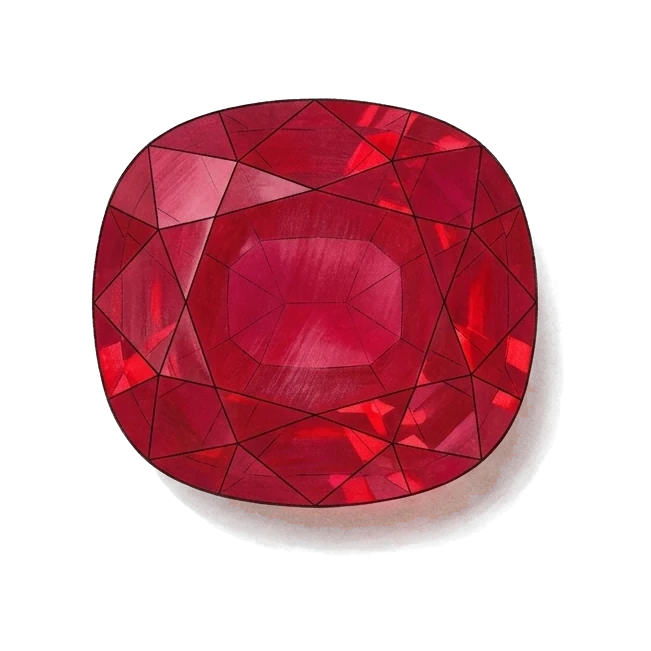
| Jul July | Ruby | Ruby | Turquoise |
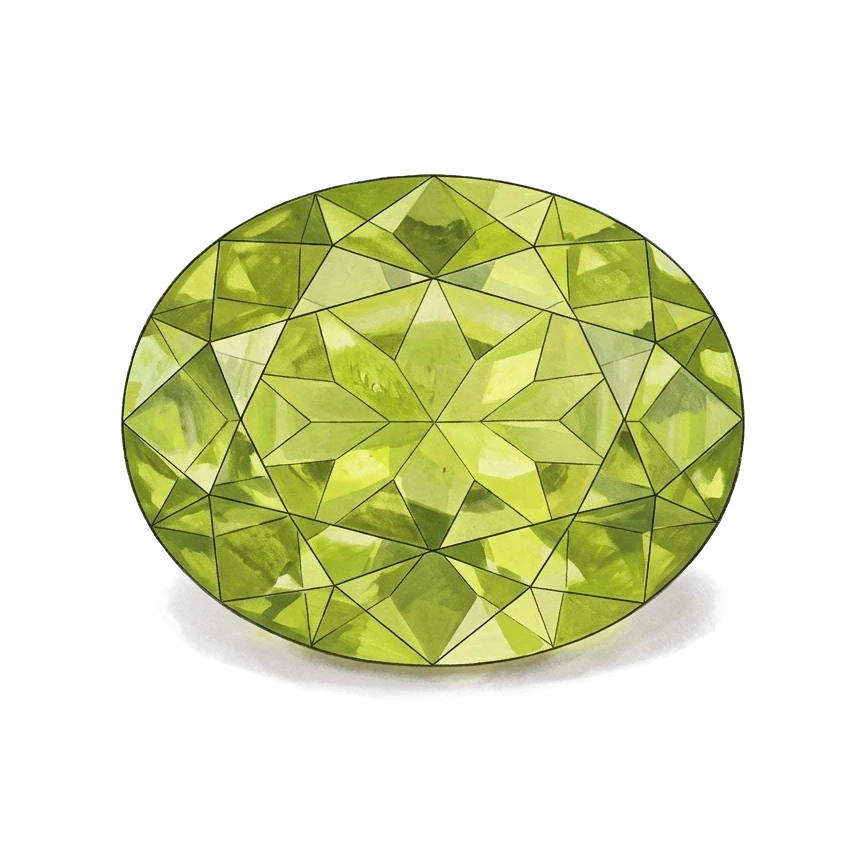
| Aug August | Peridot, spinel and sardonyx | Sardonyx and peridot | Carnelian |
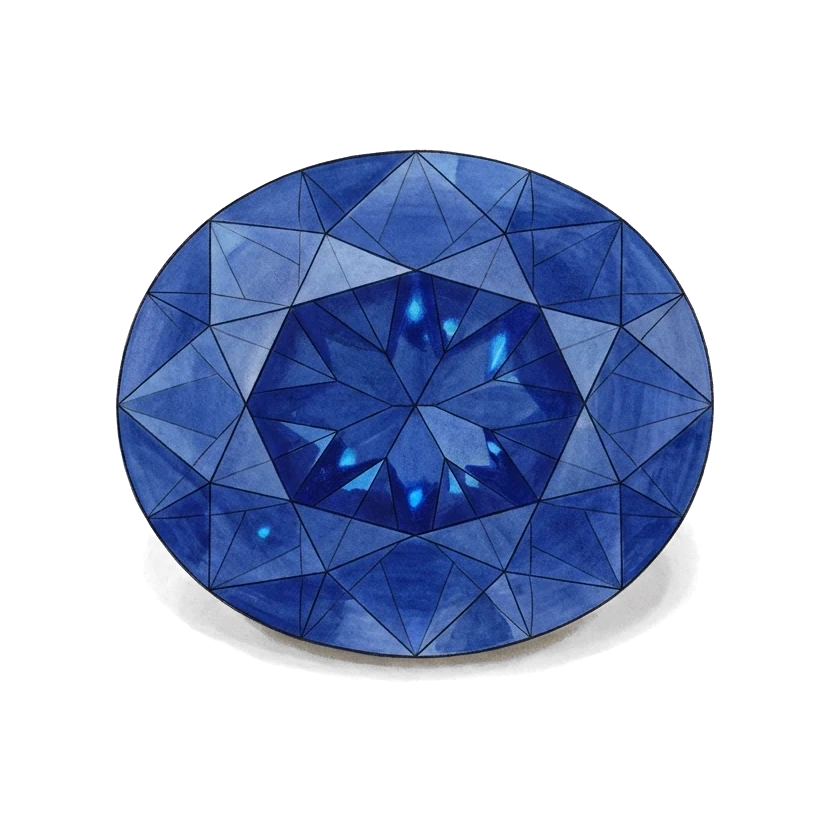
| Sep September | Sapphire | Sapphire | Chrysolite (peridot) |
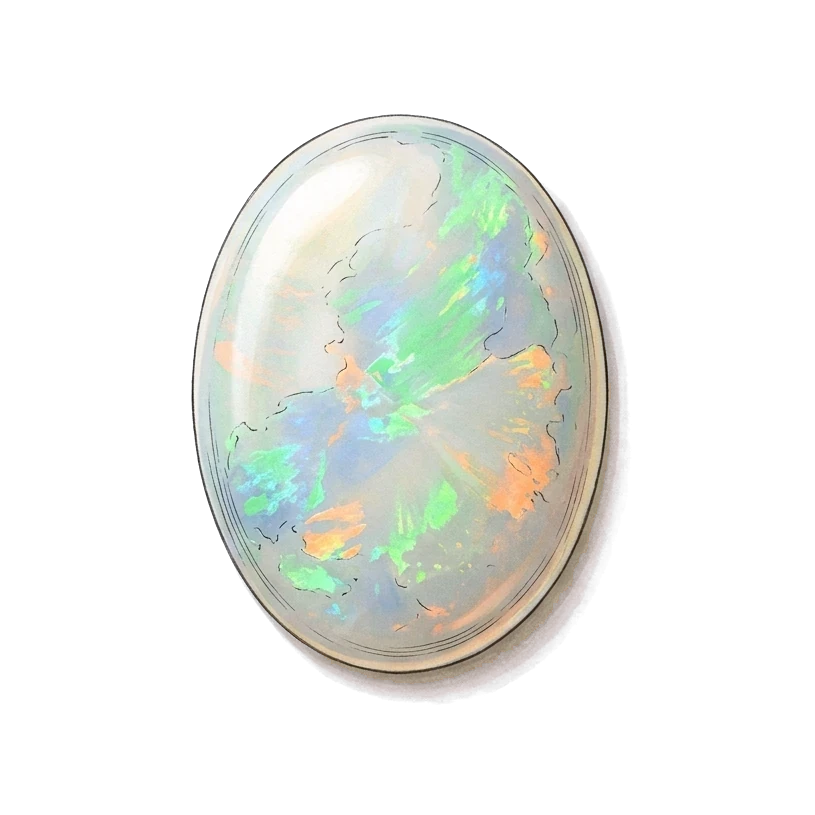
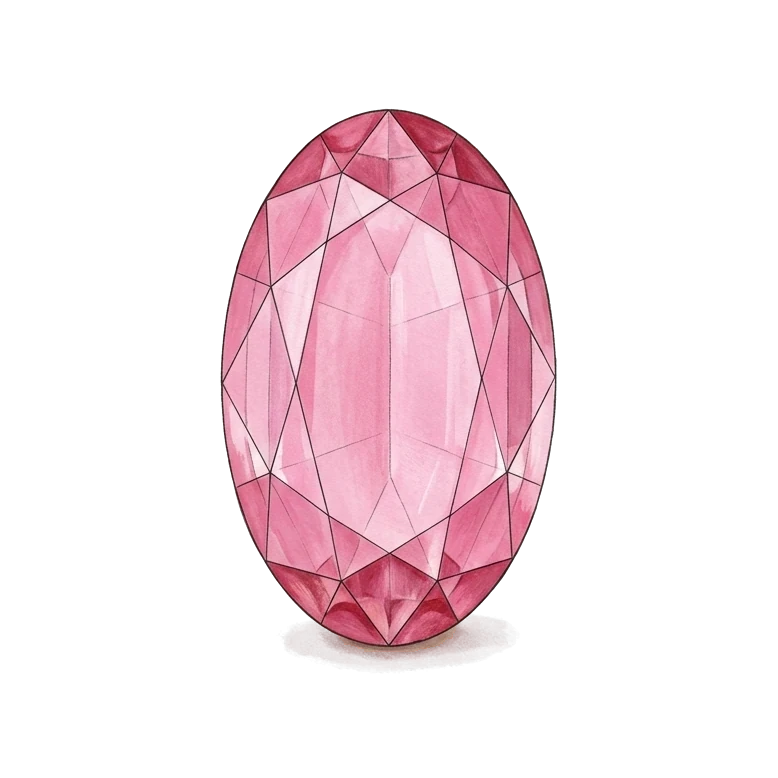
| Oct October | Opal and tourmaline | Opal and tourmaline | Beryl |
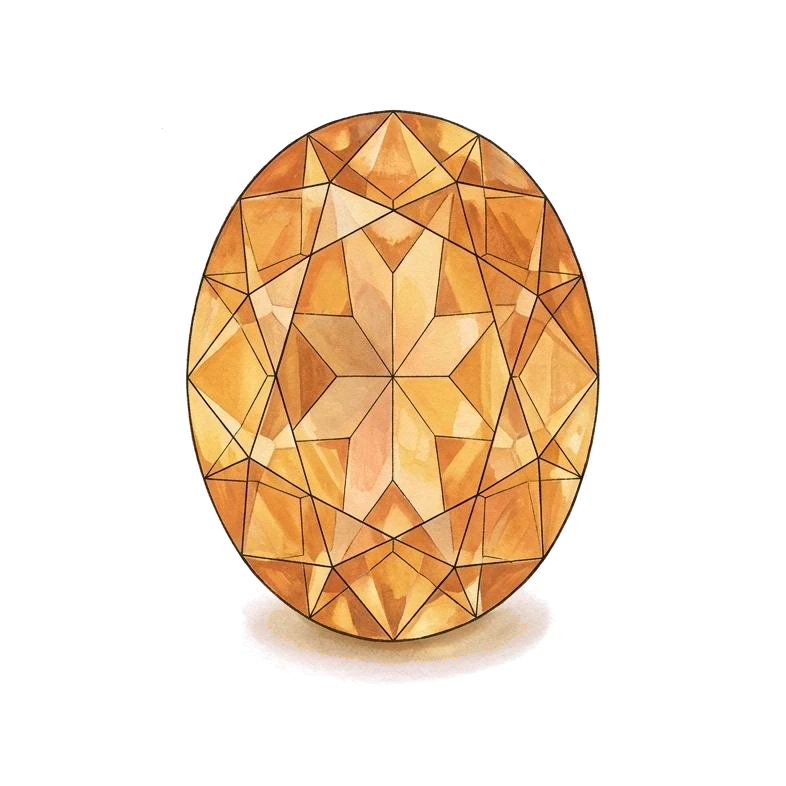
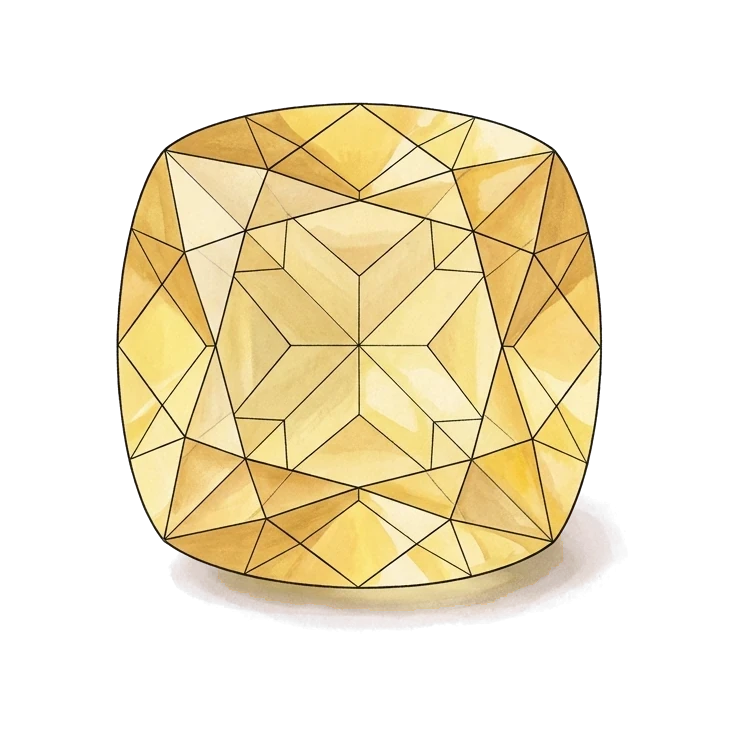
| Nov November | Topaz and citrine | Topaz | Topaz |
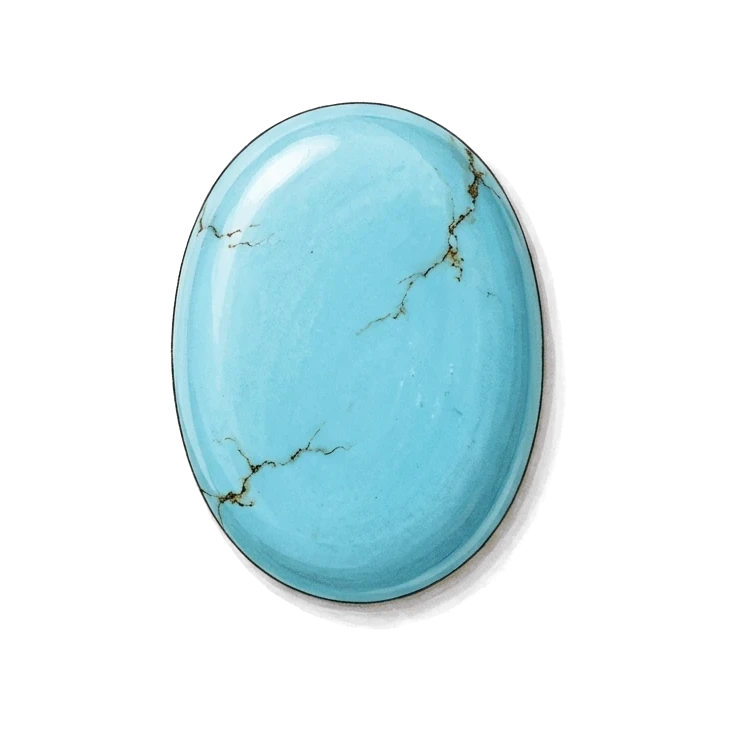
| Dec December | Turquoise, tanzanite and zircon | Turquoise and lapis lazuli | Ruby |
Blue topaz is where the modern lists part ways. Jewelers of America gives December turquoise, blue topaz and tanzanite, while the American Gem Society and GIA’s December guide name zircon instead.
The biggest differences are in summer and winter. Ruby was December’s stone and turquoise was July’s until the 1912 list swapped them, a change Kunz argued against.