Skip to content

Birth Month Flowers

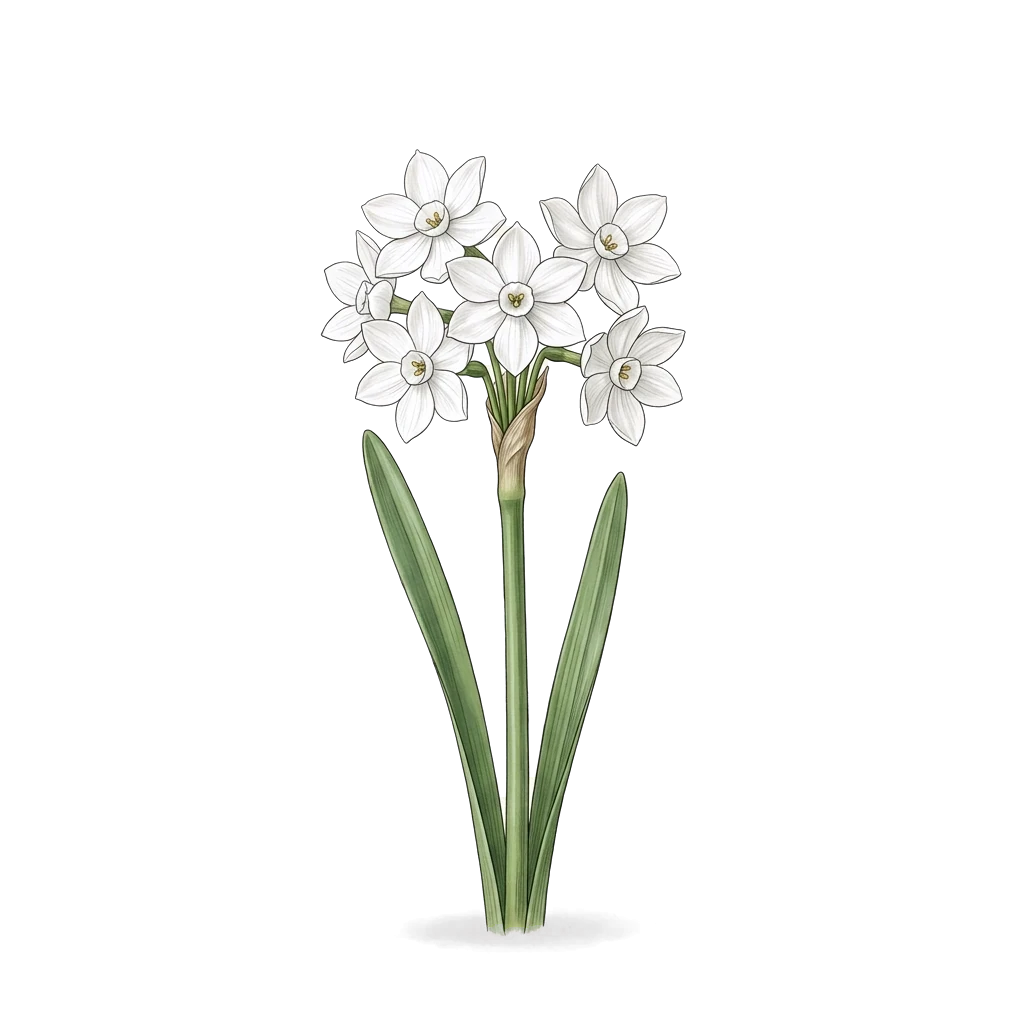
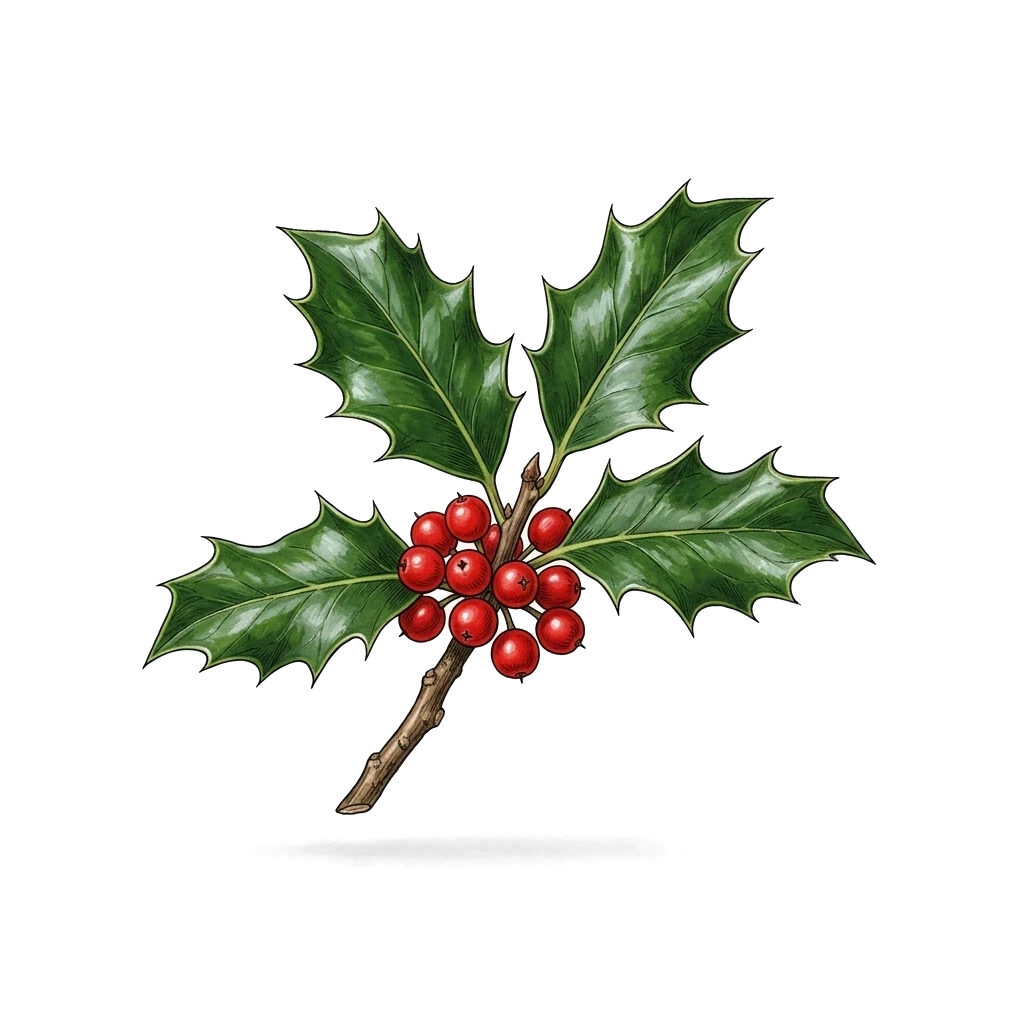
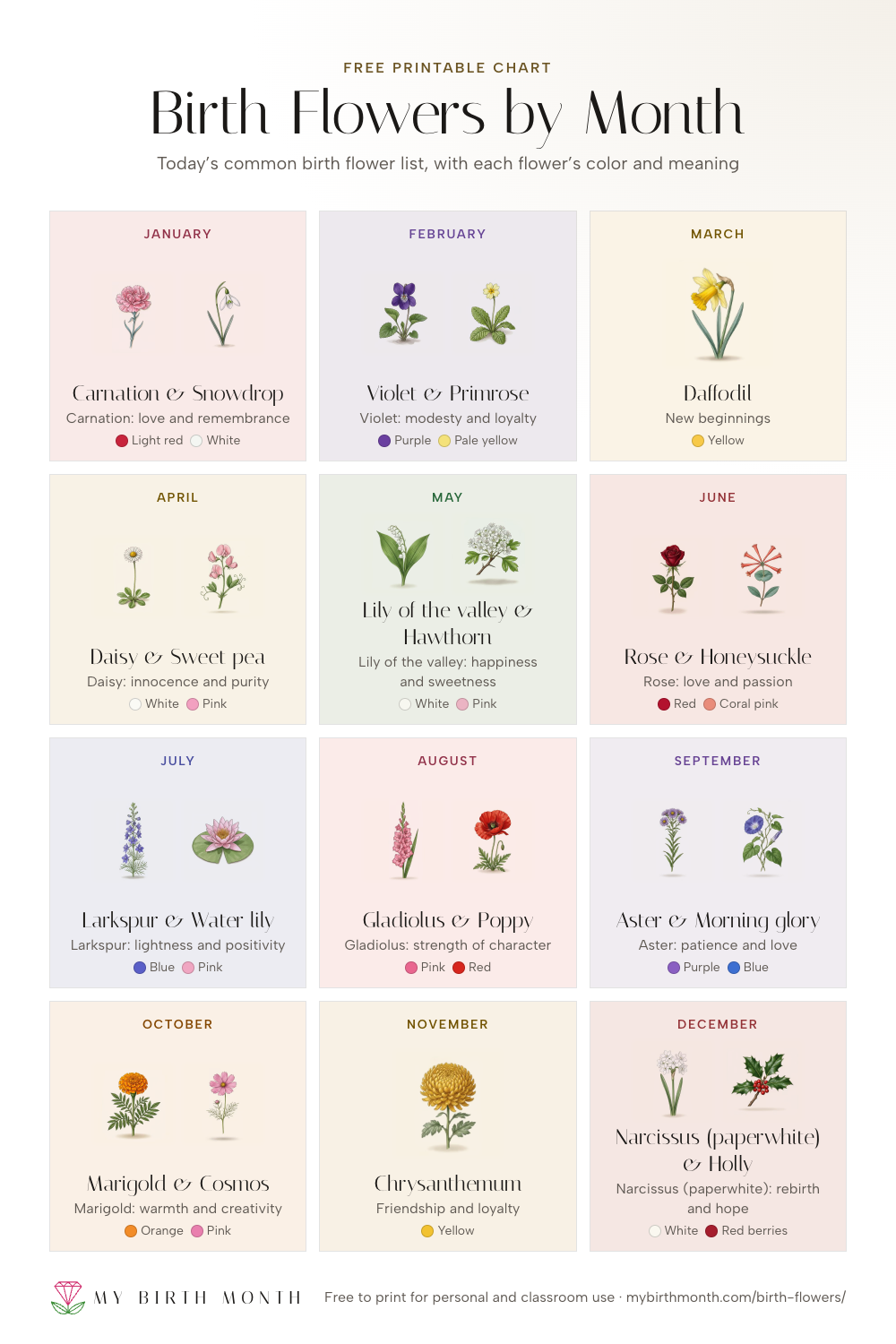
Every month has a birth flower and most have two: January’s are carnation and snowdrop, and December’s are narcissus (paperwhite) and holly. The chart lists all 22 with their meanings today and in Victorian times.

By mybirthmonth.com Updated How we research

Birth flower chart

Birth flowers by month, with each flower's main color, its meaning today and its meaning in the Victorian language of flowers
Month Birth flower
January
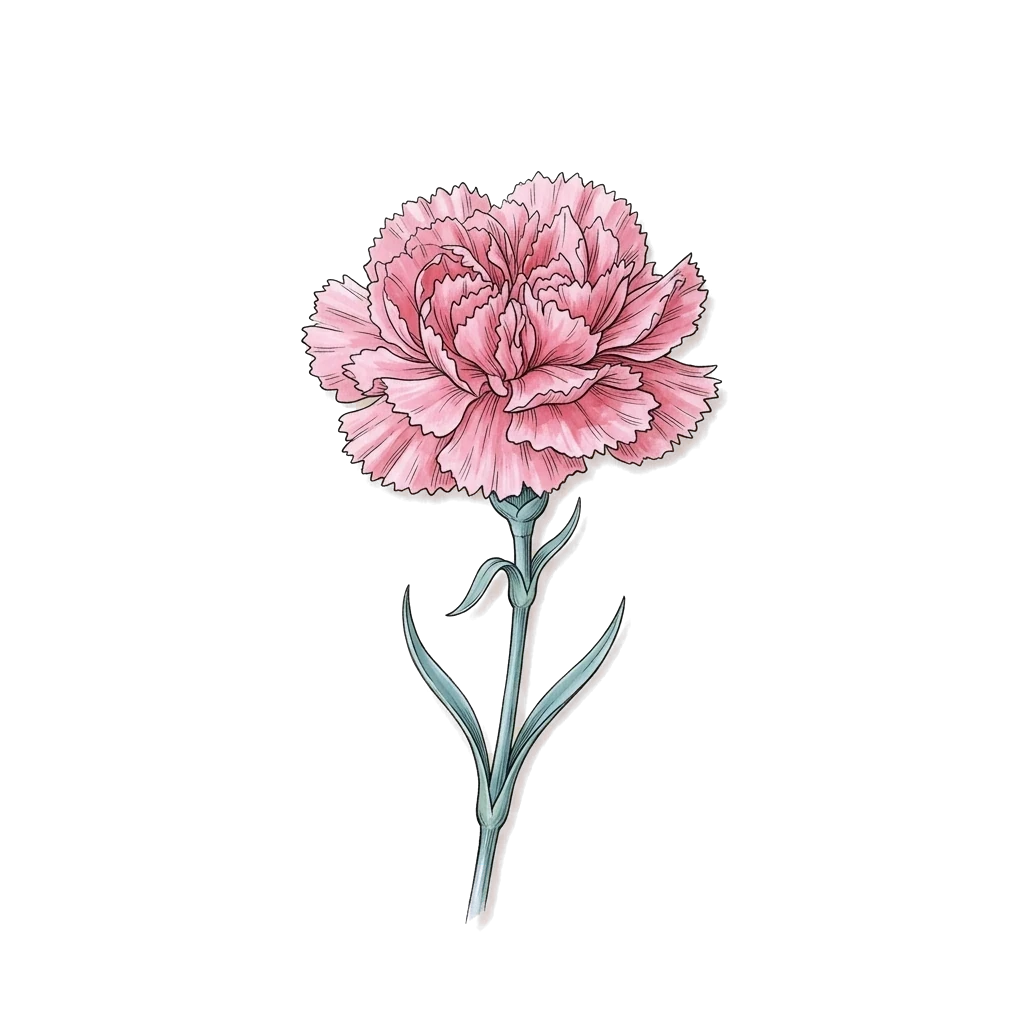
  • Carnation Light red Love and remembrance 1884: Woman's love
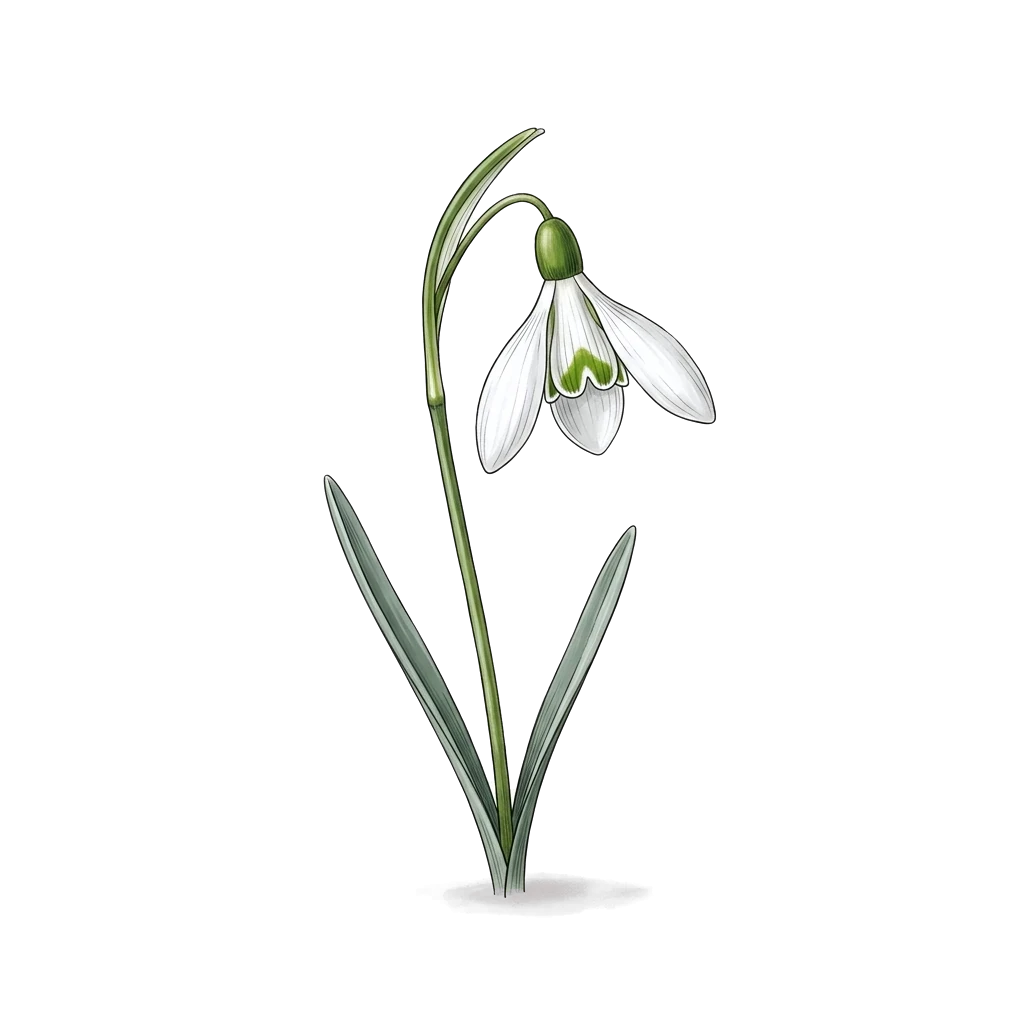
  • Snowdrop White Hope 1884: Hope
February
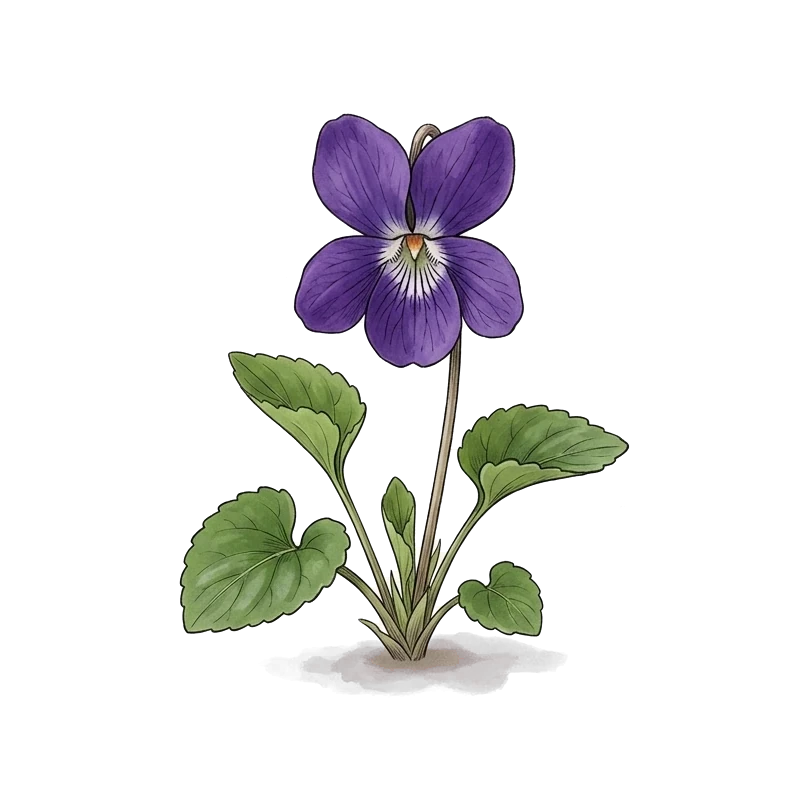
  • Violet Purple Modesty and loyalty 1884: Faithfulness (blue), modesty (sweet)
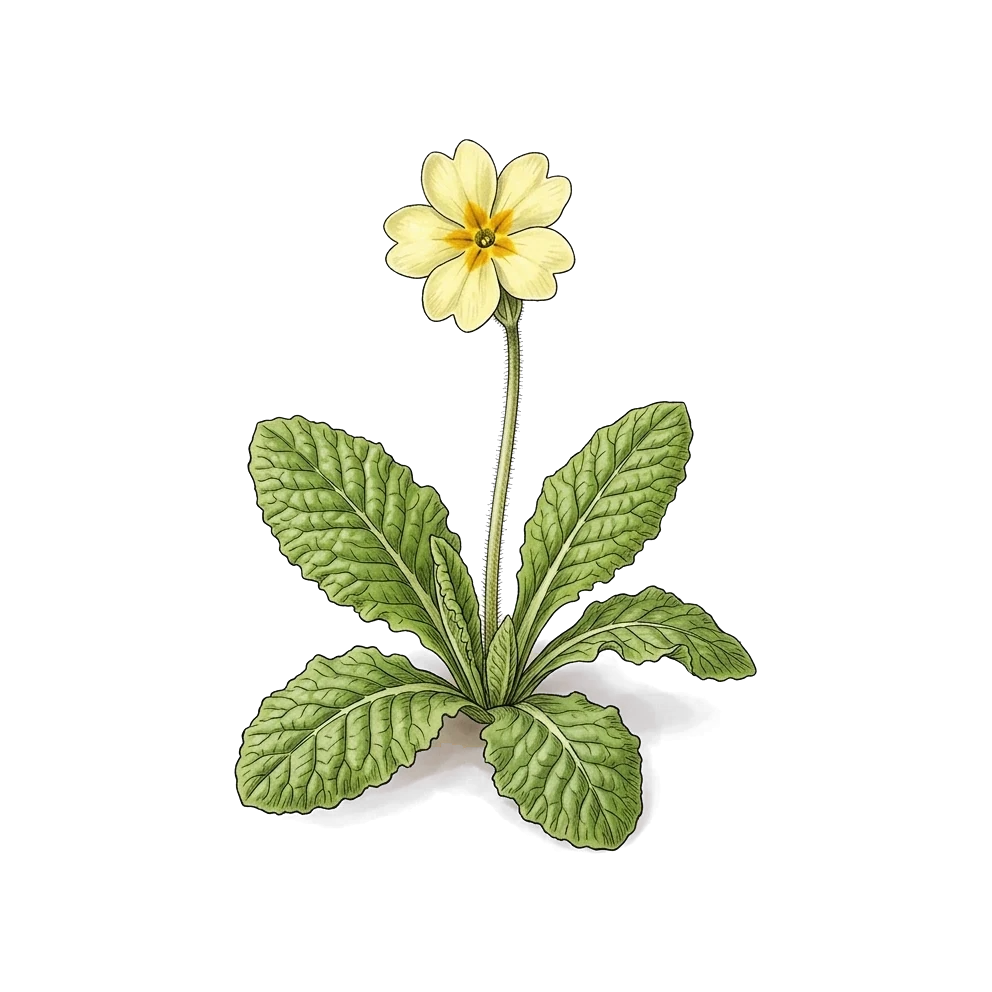
  • Primrose Pale yellow Youth 1884: Early youth
March
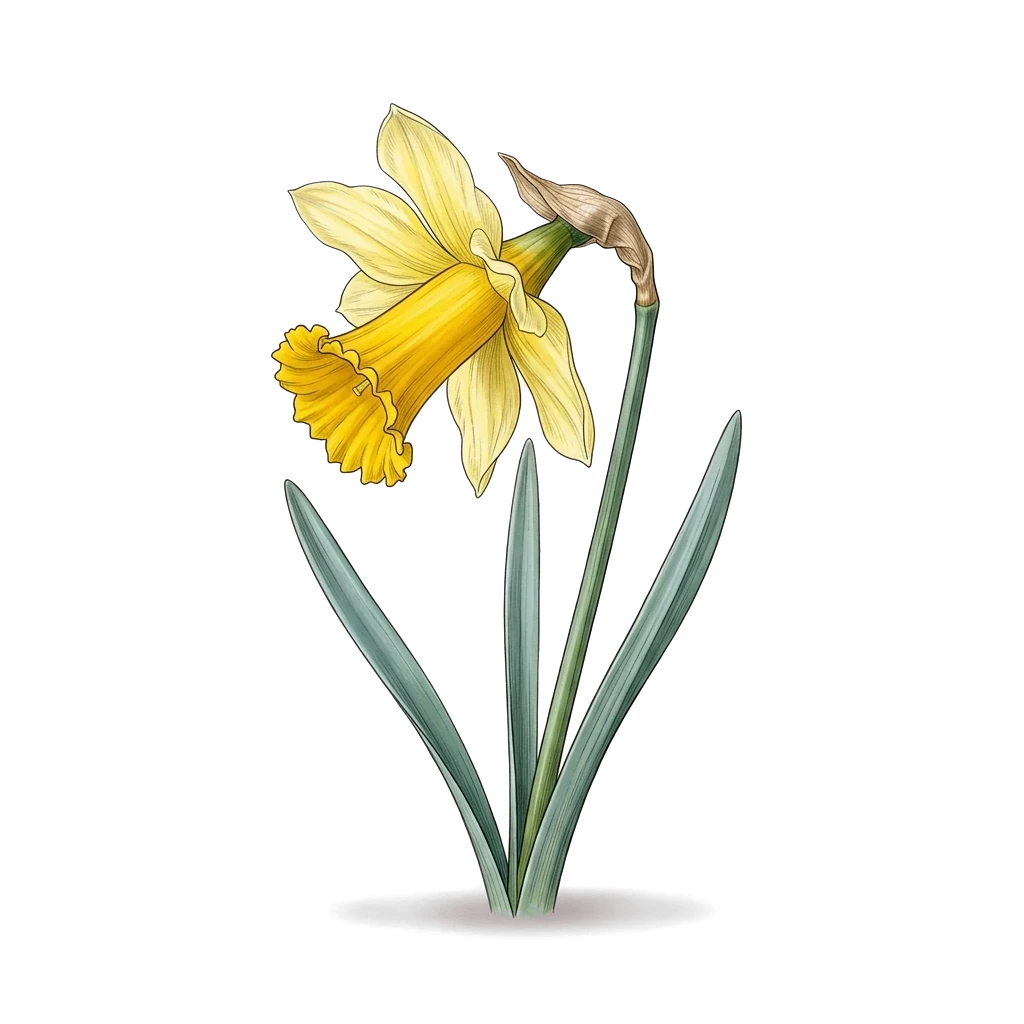
  • Daffodil Yellow New beginnings 1884: Regard
April
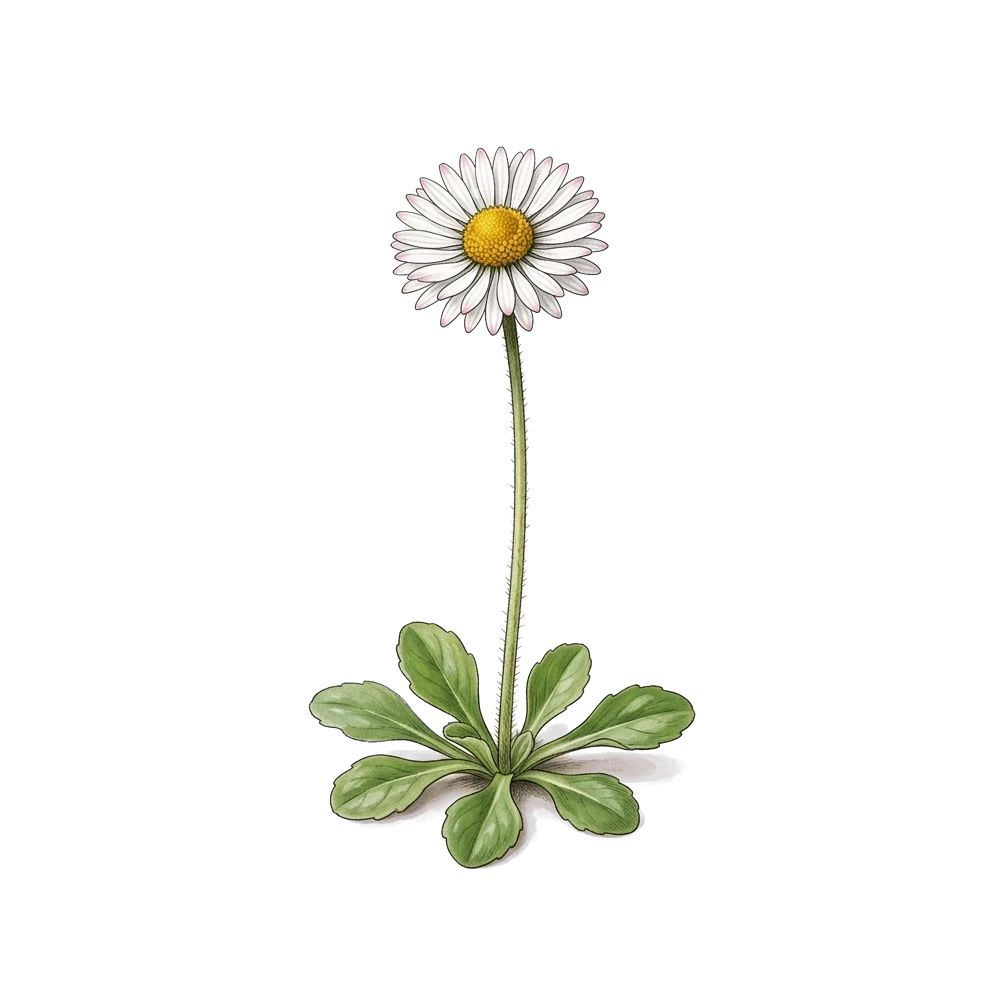
  • Daisy White Innocence and purity 1884: Innocence
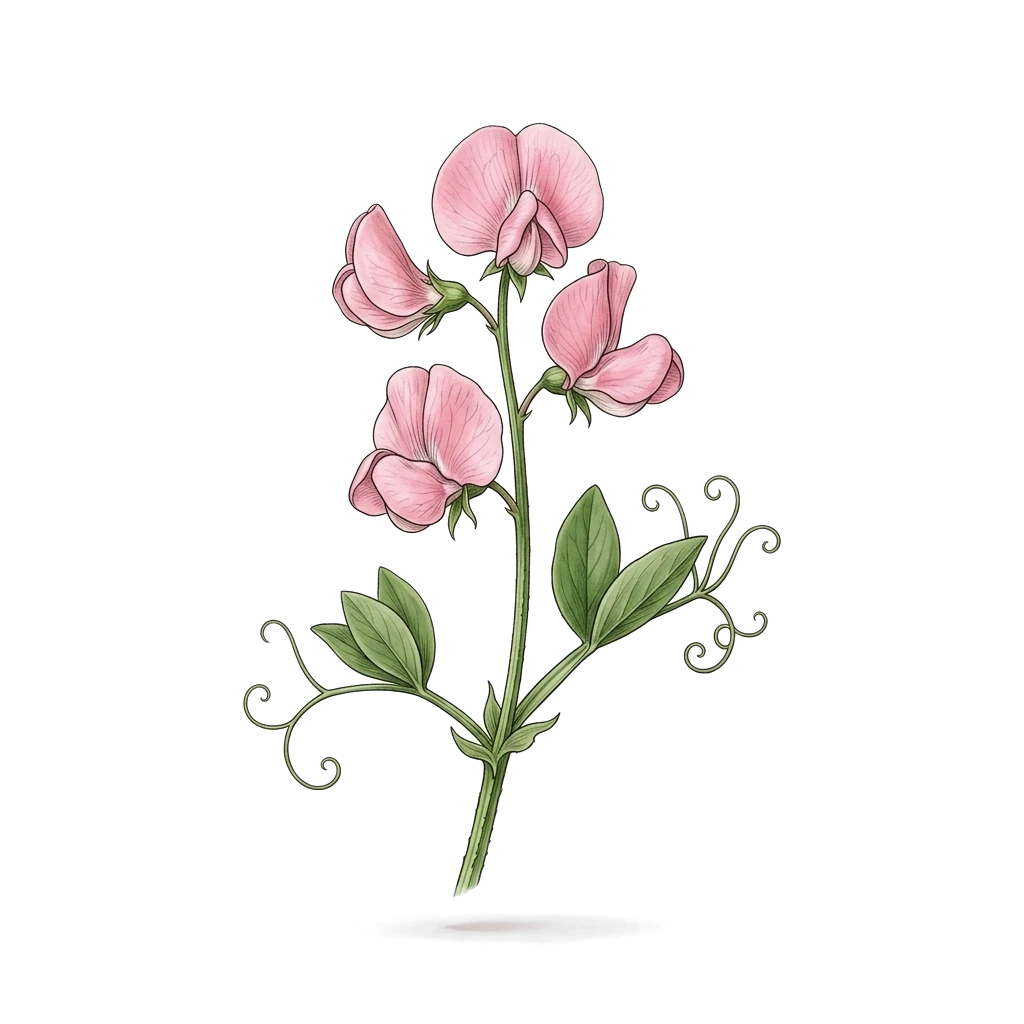
  • Sweet pea Pink Gratitude 1884: Departure, delicate pleasures
May
June
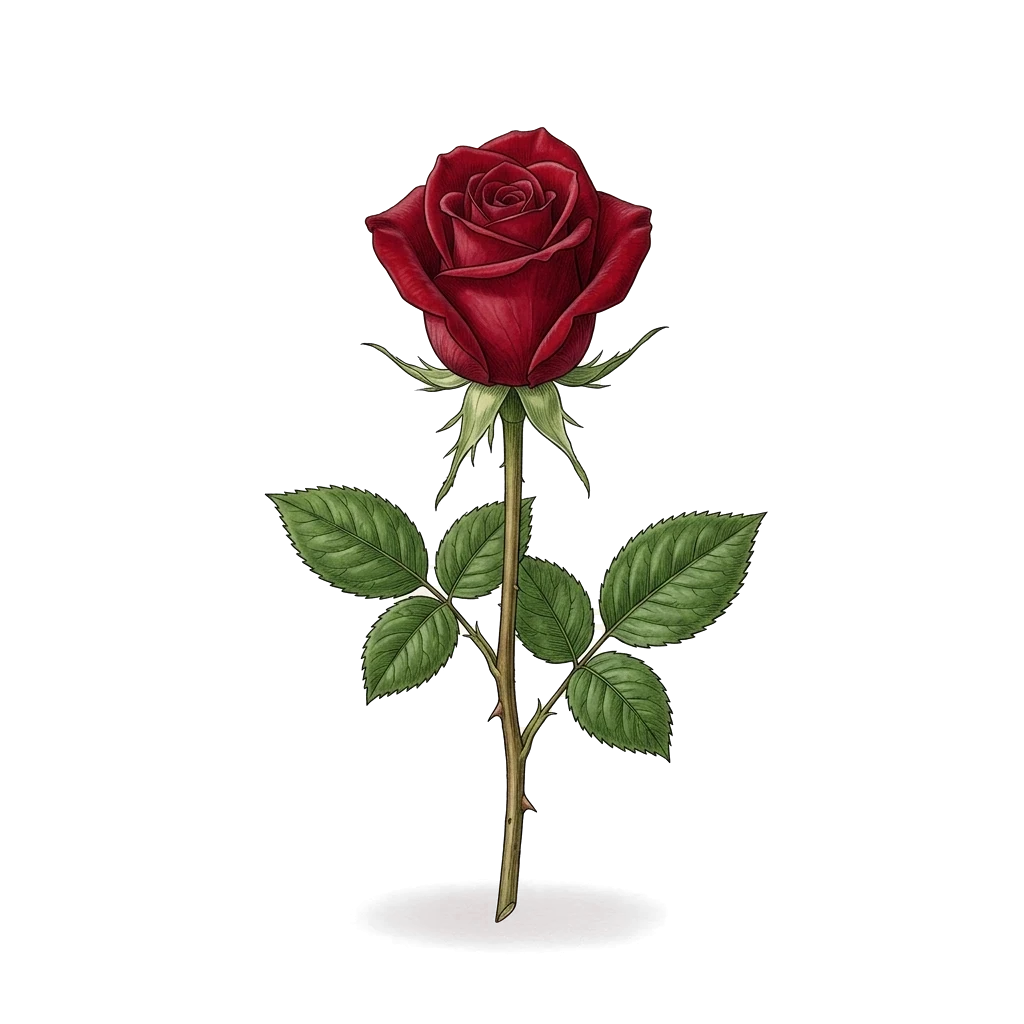
  • Rose Red Love and passion 1884: Love
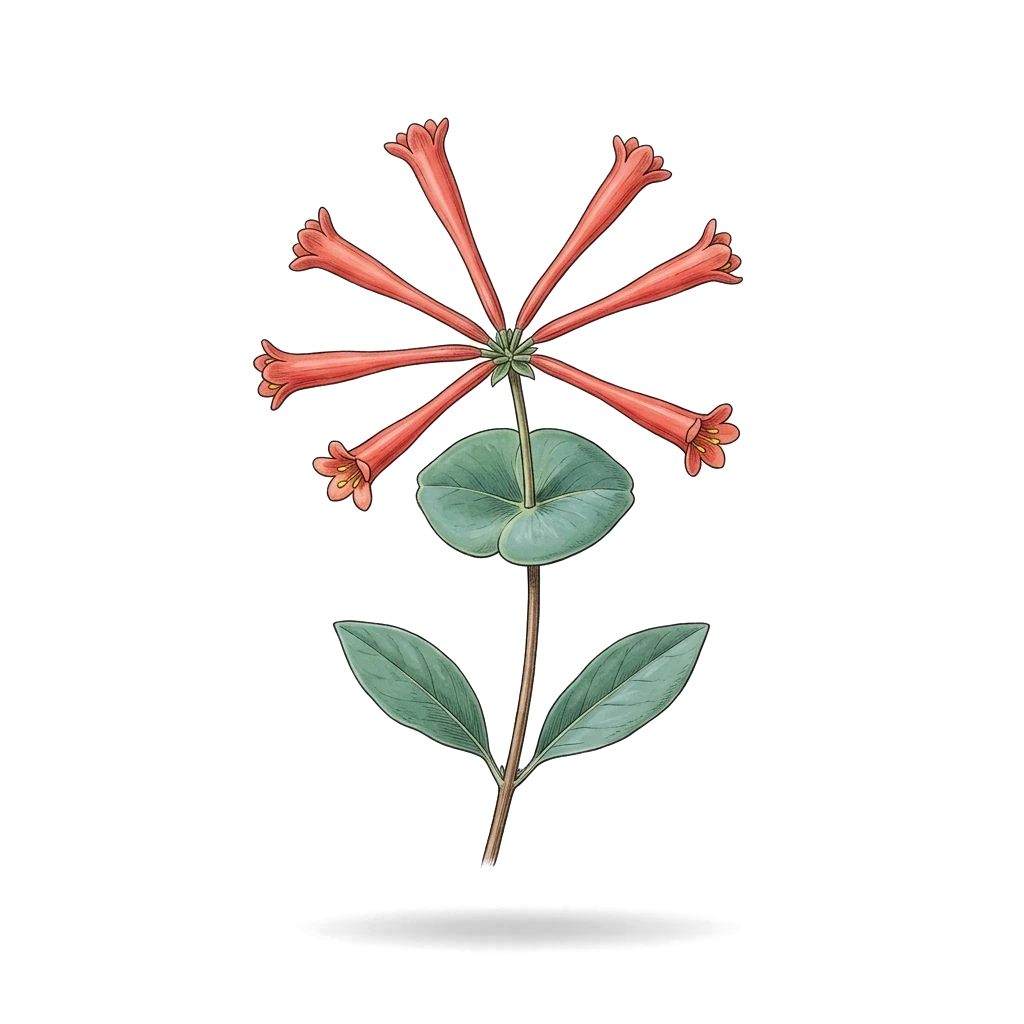
  • Honeysuckle Coral pink Affection 1884: Generous and devoted affection
July
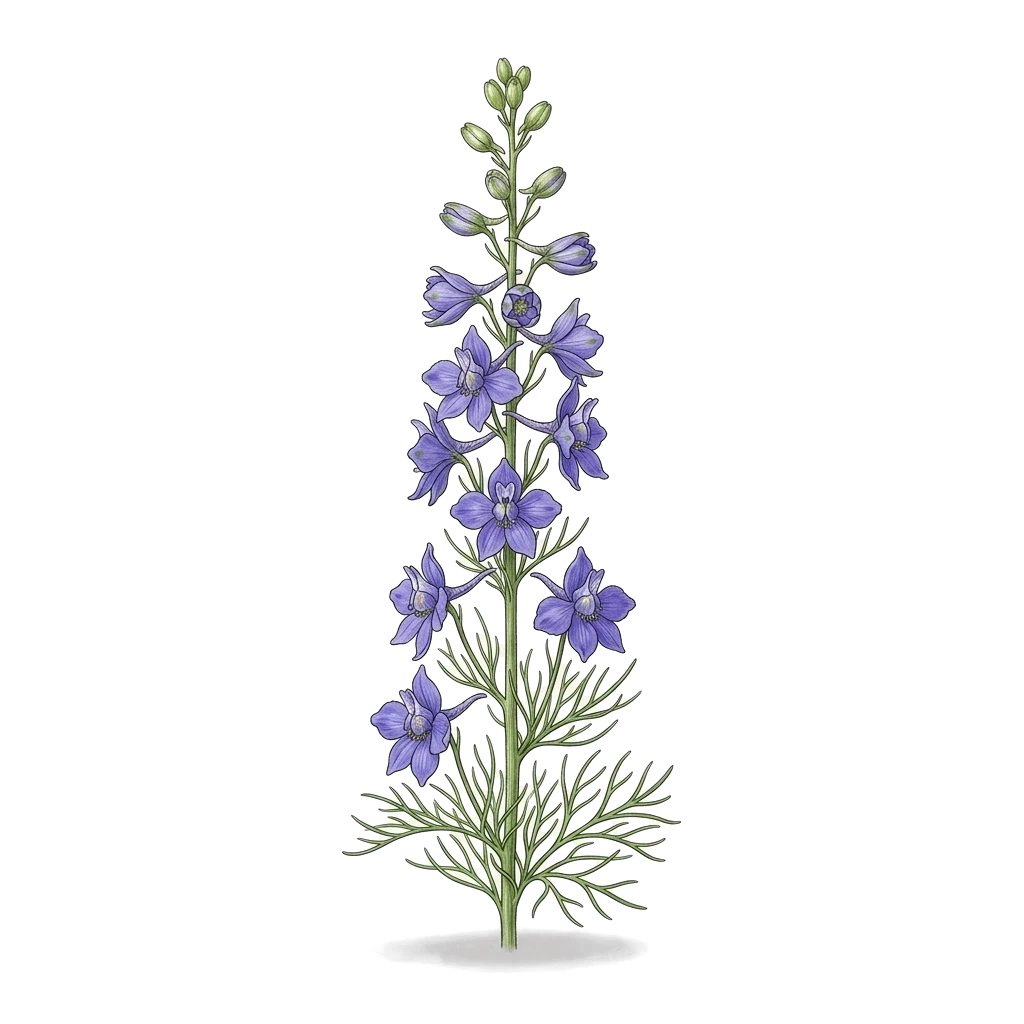
  • Larkspur Blue Lightness and positivity 1884: Lightness, levity
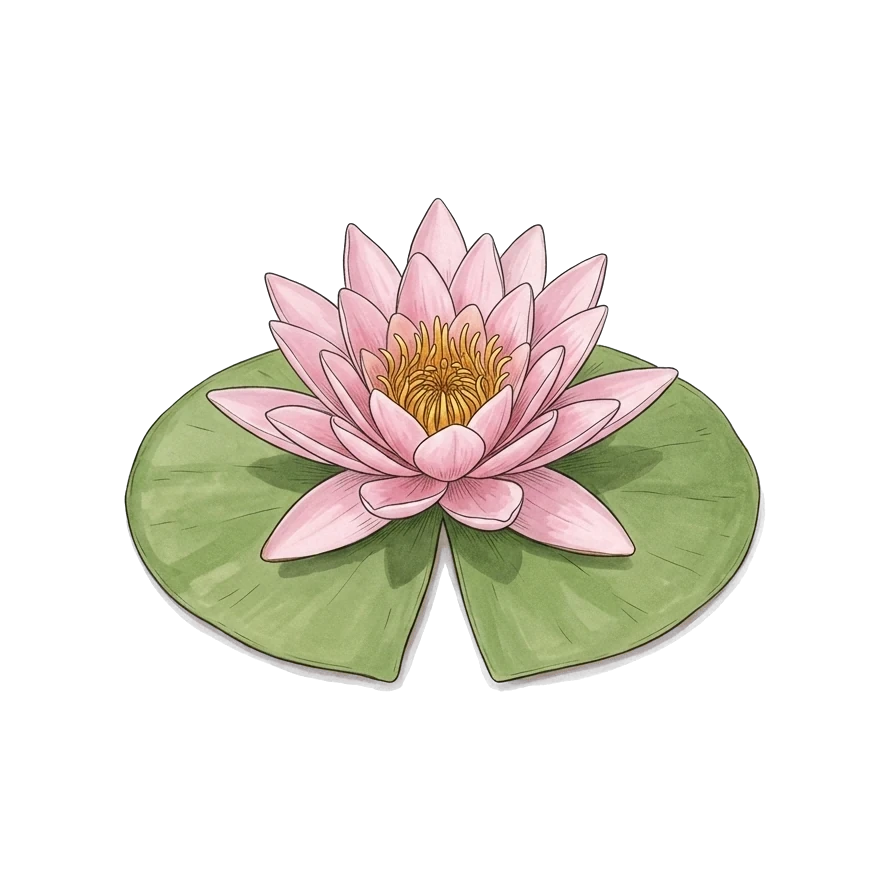
  • Water lily Pink Purity 1884: Purity of heart
August
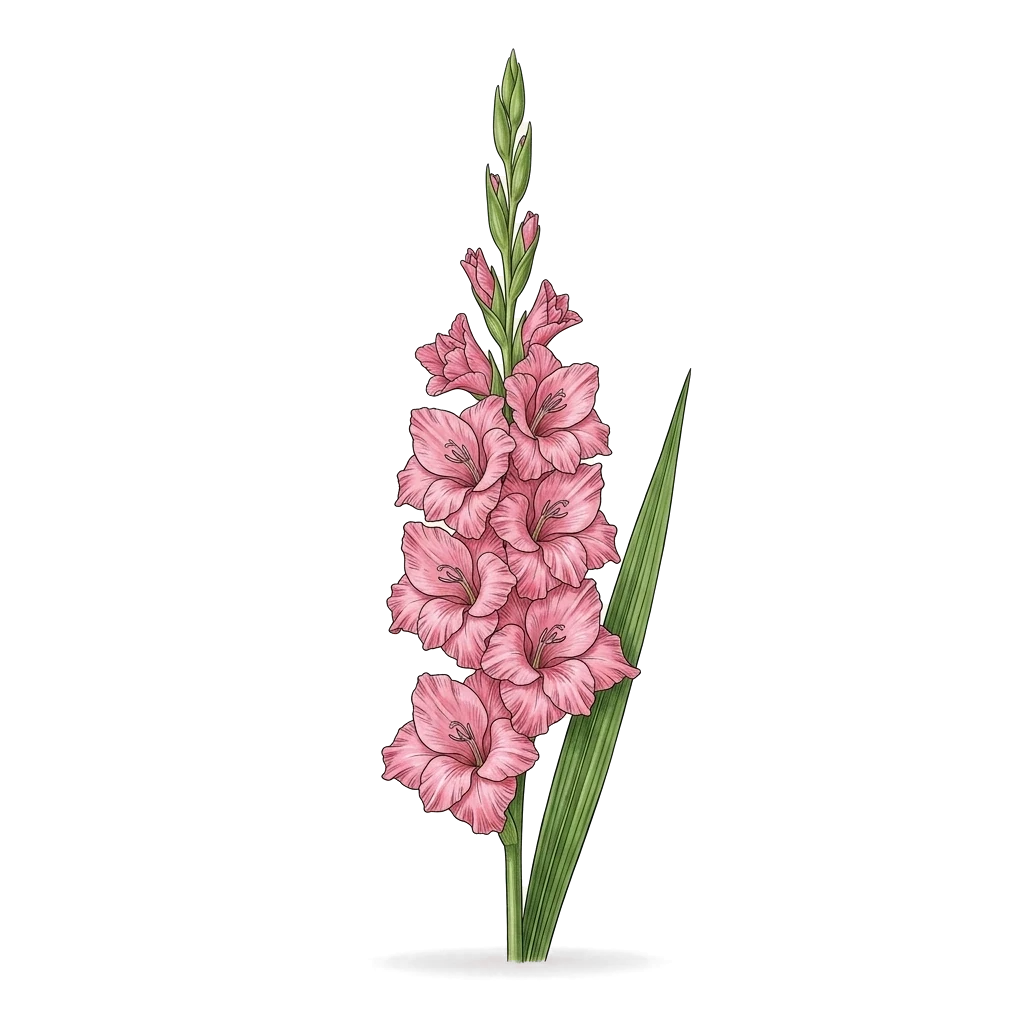
  • Gladiolus Pink Strength of character
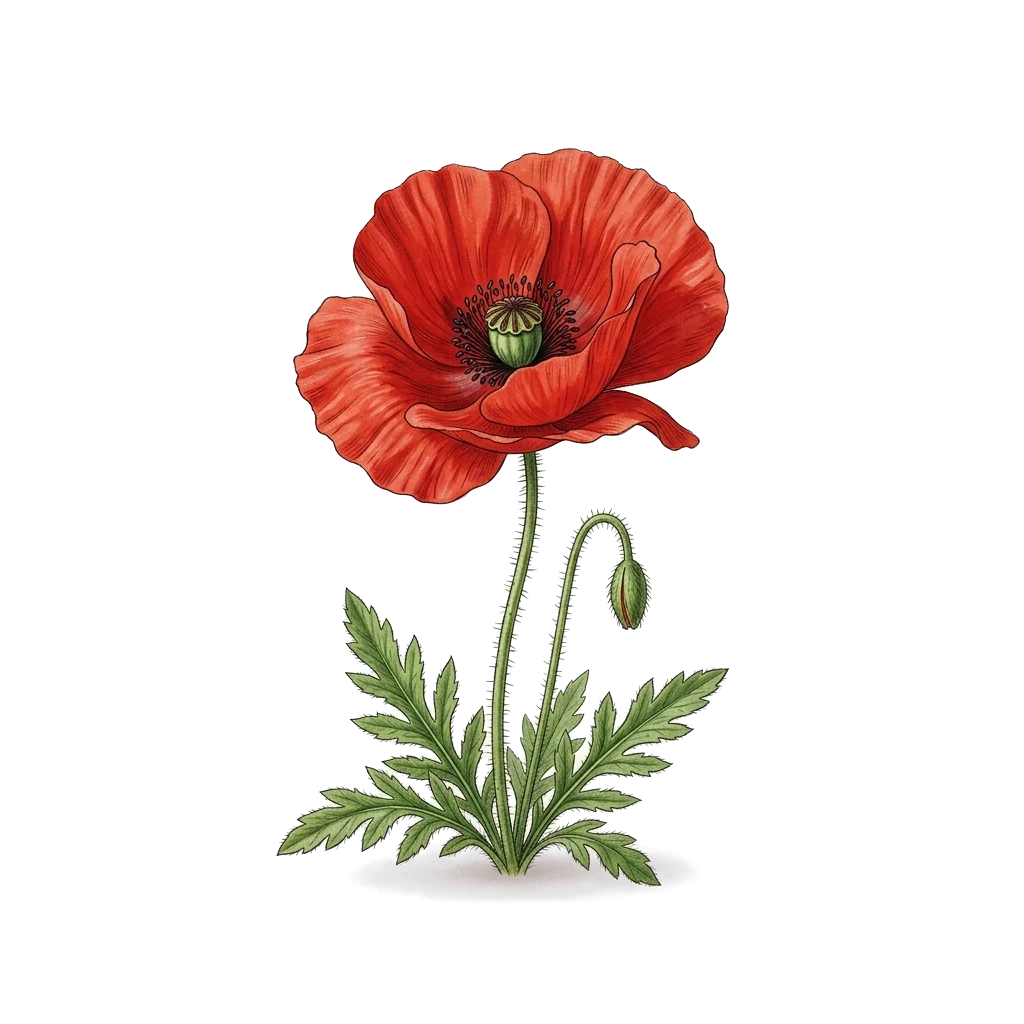
  • Poppy Red Remembrance and peace 1884: Consolation (red poppy)
September
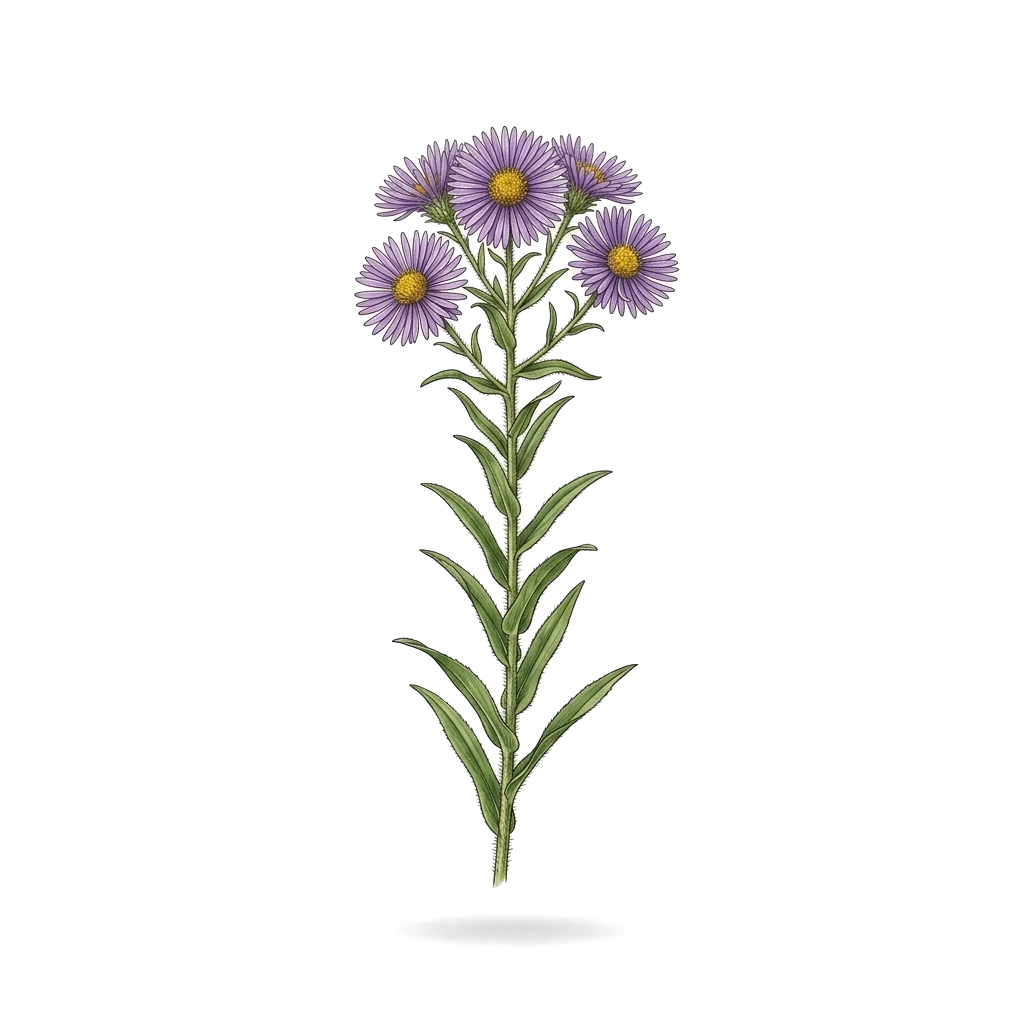
  • Aster Purple Patience and love 1884: Variety, afterthought (China aster)
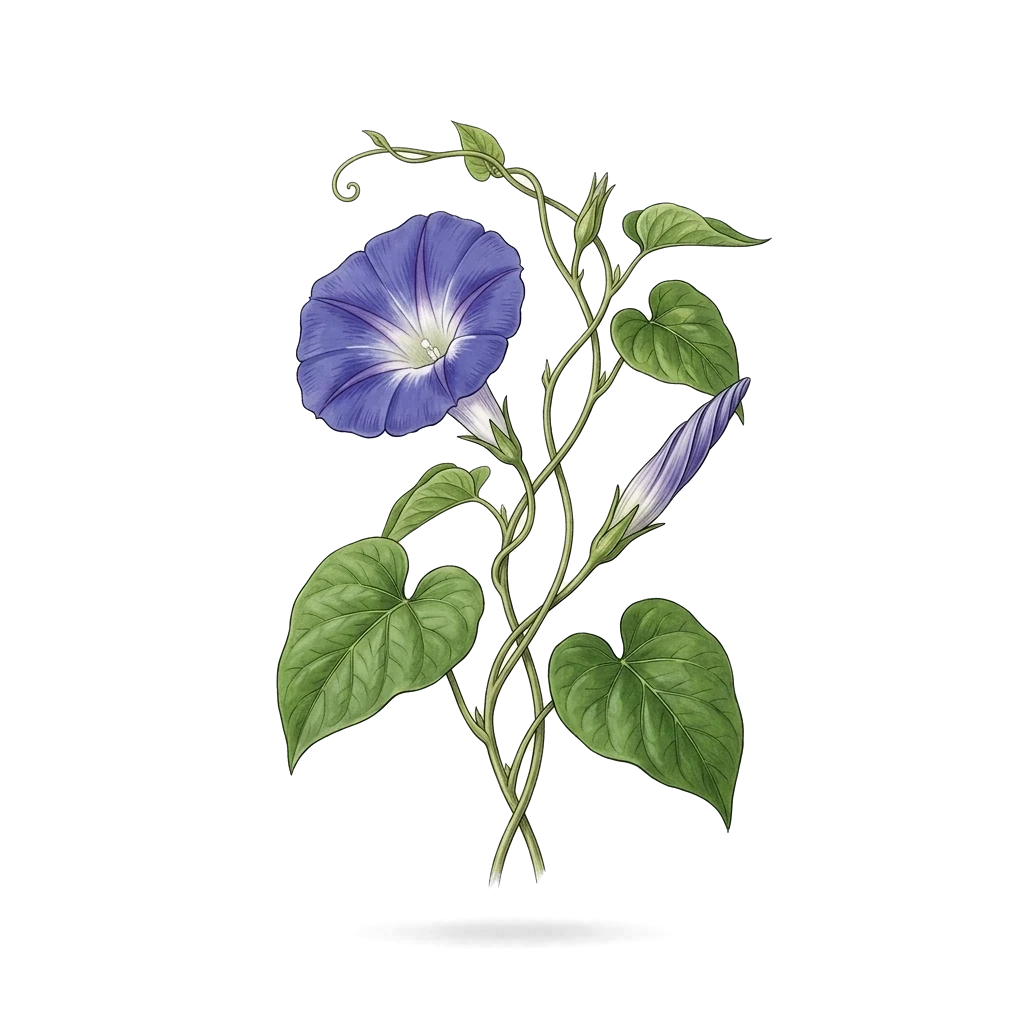
  • Morning glory Blue Affection 1884: Affectation
October
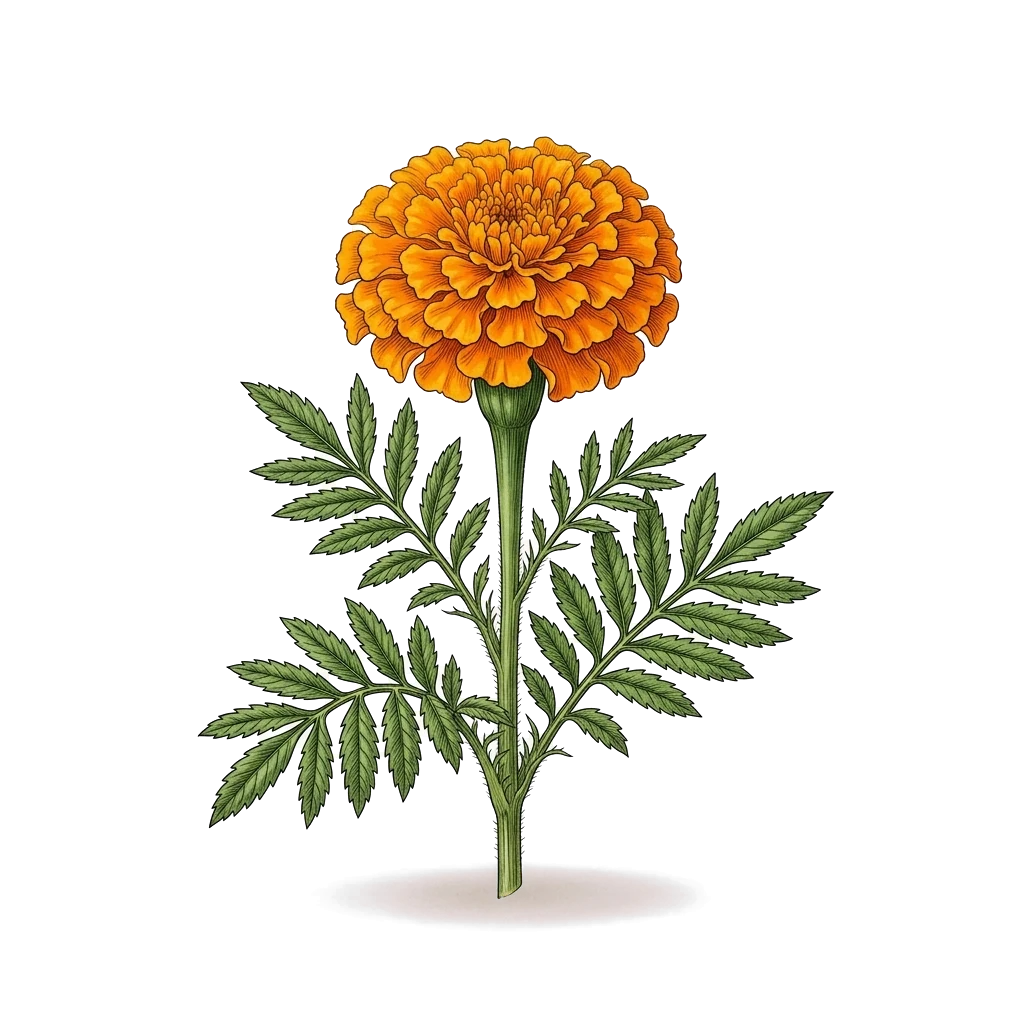
  • Marigold Orange Warmth and creativity 1884: Grief
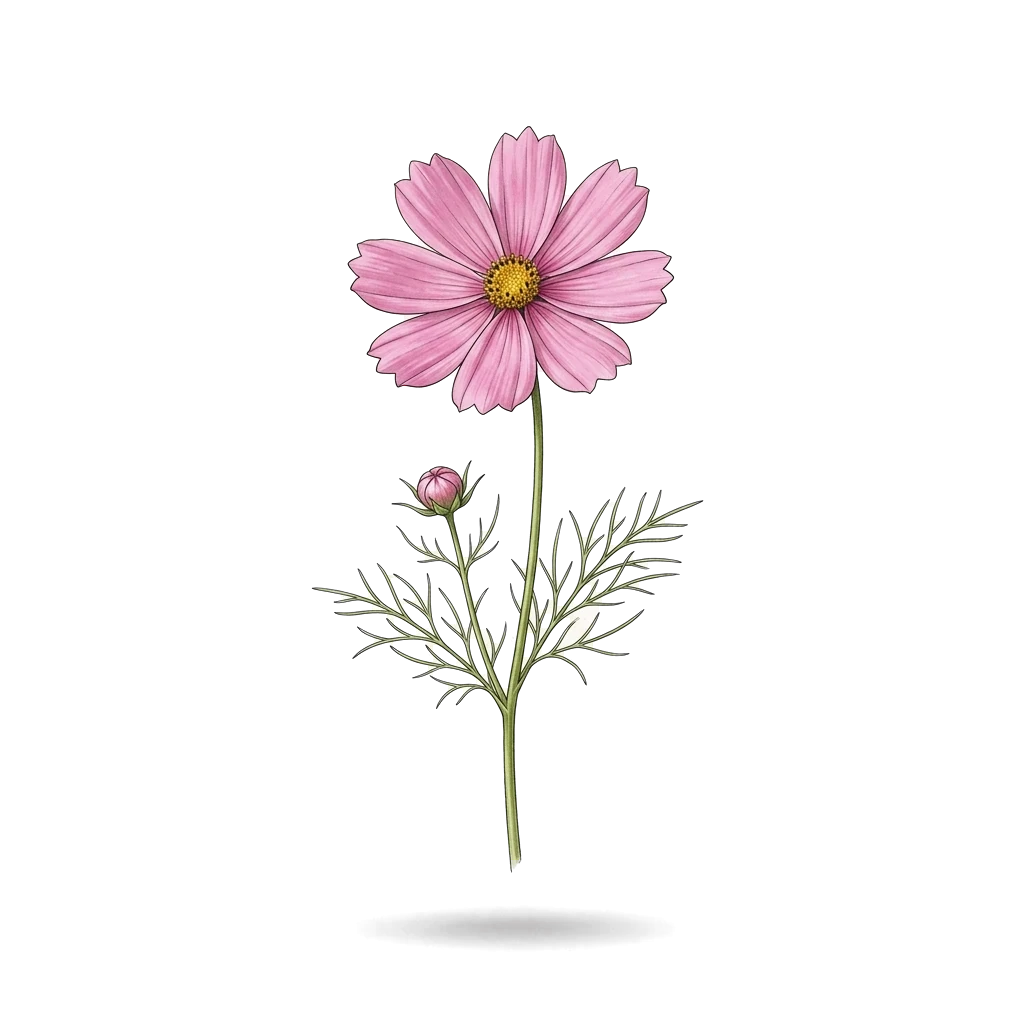
  • Cosmos Pink Harmony and joy
November This month
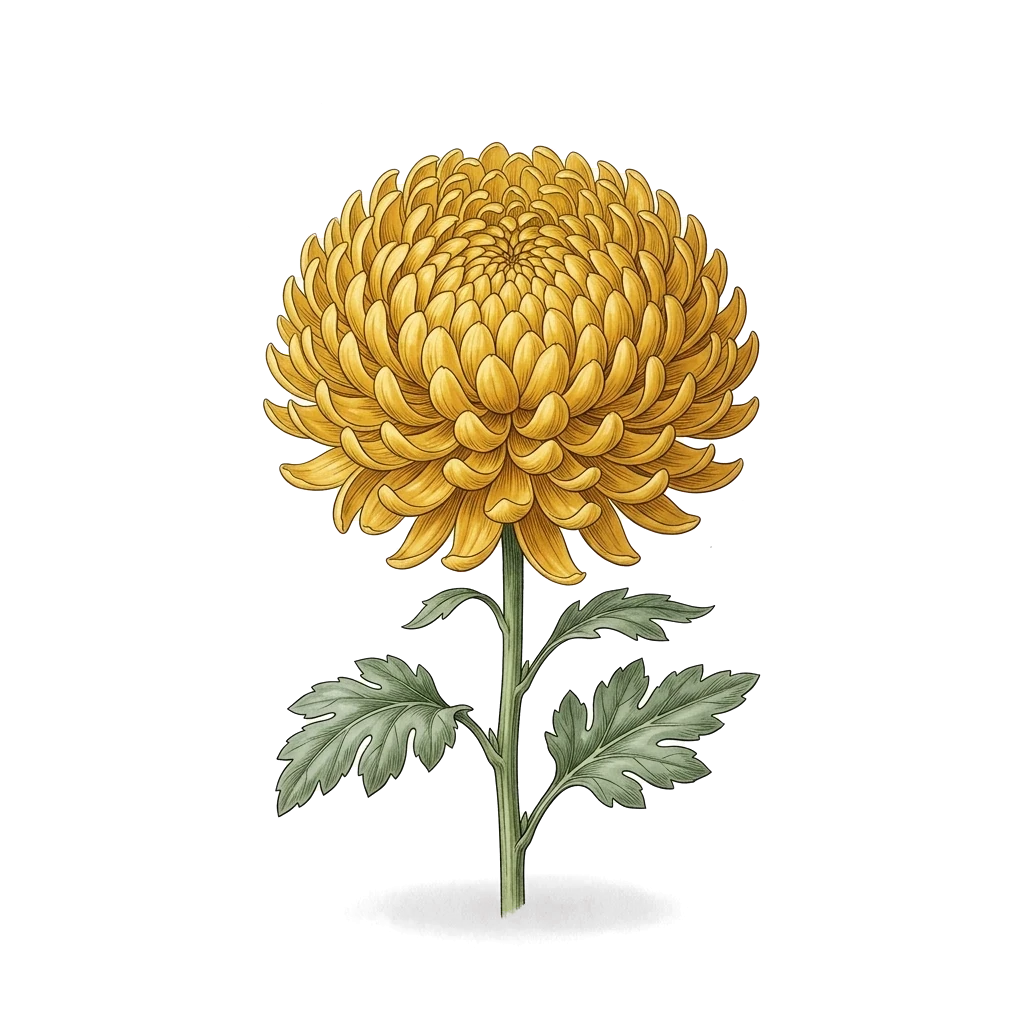
  • Chrysanthemum Yellow Friendship and loyalty 1884: Truth (white), love (red)
December

Today’s common US list. Victorian meanings are from Kate Greenaway’s Language of Flowers (1884); a dash means the flower isn’t in it.

Every birth flower, month by month

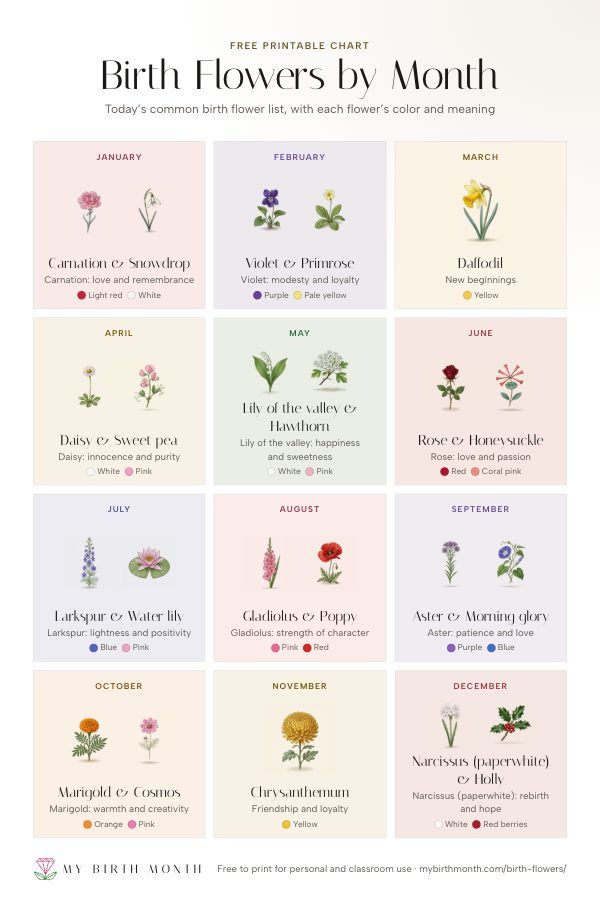
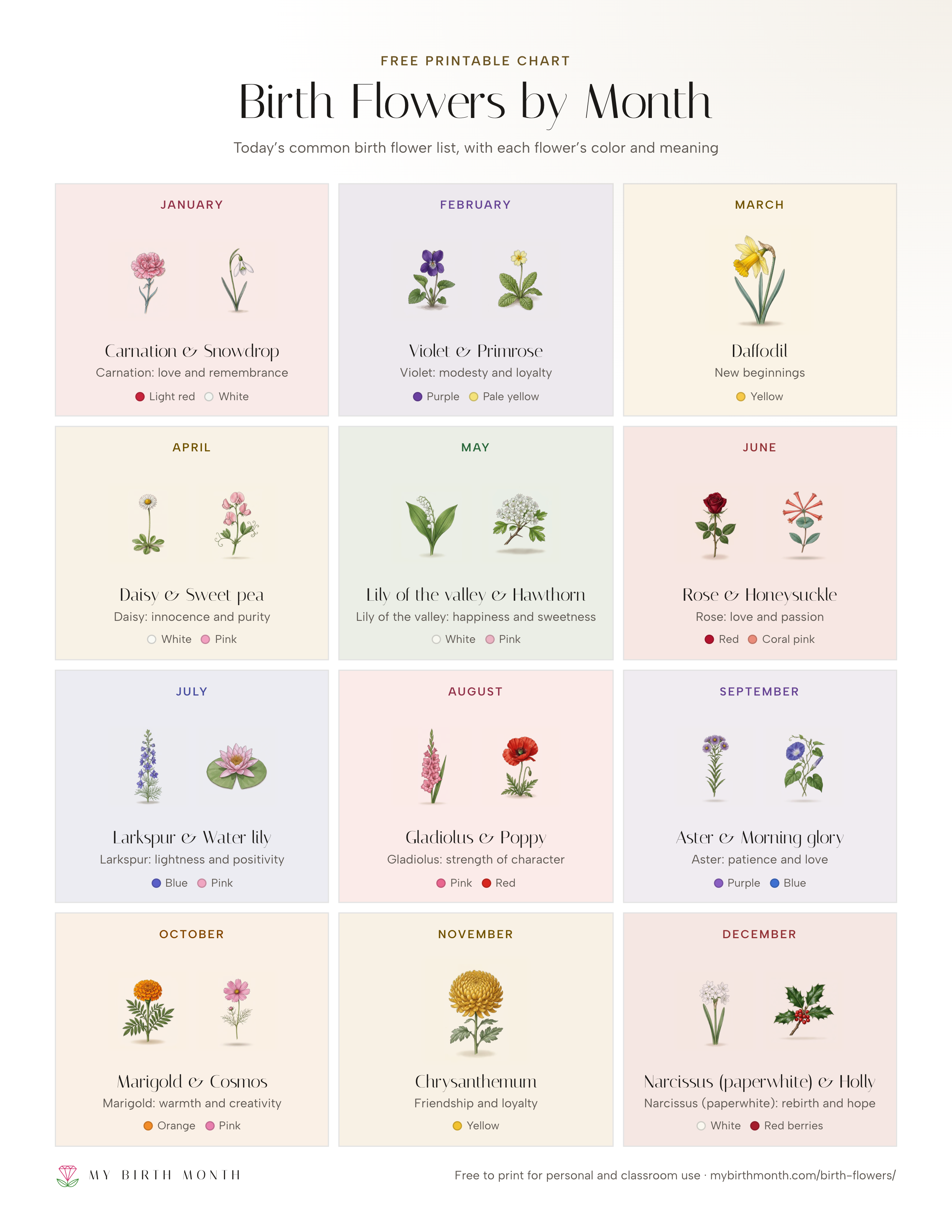
Preview of the free printable birth flower chart by month

Free printable

Free printable birth flower chart

All 12 months on one page. Free to print for personal and classroom use.

Embed this chart on your site

Copy this code into your page. Please keep the link: it’s how readers find the full chart.

How the birth flower list came about

Giving flowers a meaning is a Victorian habit. Books on the “language of flowers” assigned a sentiment to hundreds of plants, so a bouquet could carry a message: Kate Greenaway’s 1884 edition gives the daisy as innocence and the snowdrop as hope.

Pairing flowers with months is at least as old as 1913, when the mineralogist George F. Kunz listed a flower for each month beside its birthstone. Ten of his twelve are still on today’s list for the same month. Only March and October changed: he gave March the morning glory and the violet, and October the hop.

Most months now have two flowers, a main one and a second one, because lists drew on different traditions and growing seasons.

Birth flowers by month today and in 1913, with flowers some lists add
Month Today 1913
Jan Carnation and snowdrop Snowdrop
Feb Violet and primrose Also: Iris Primrose
Mar Daffodil Also: Jonquil Ipomoea (morning glory) and violet (no longer on the list)
Apr Daisy and sweet pea Daisy
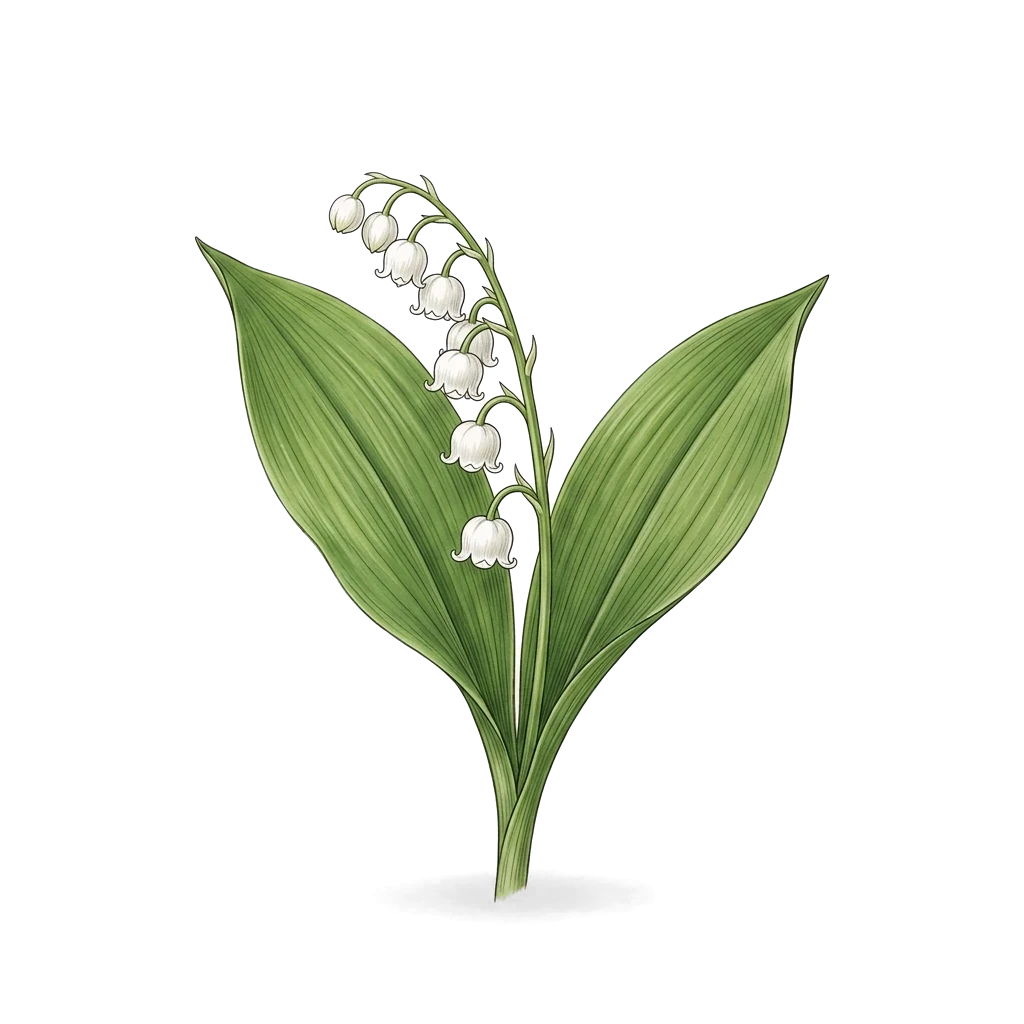
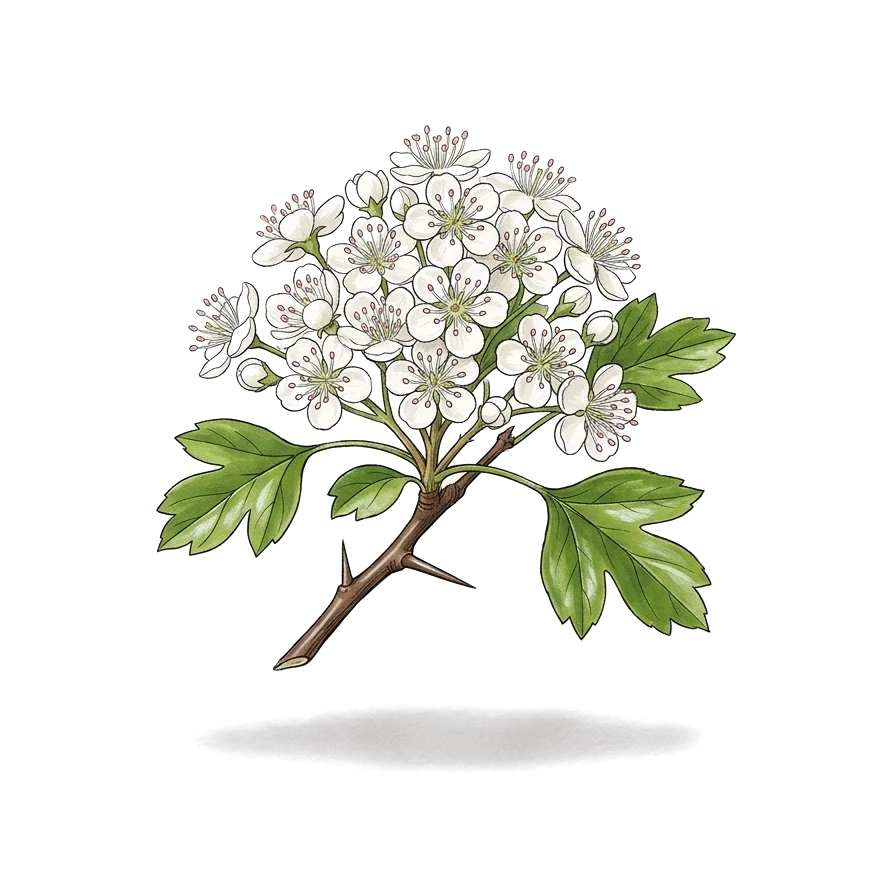
May Lily of the valley and hawthorn Hawthorn
Jun Rose and honeysuckle Honeysuckle
Jul Larkspur and water lily Also: Delphinium Water lily
Aug Gladiolus and poppy Poppy
Sep Aster and morning glory Morning glory
Oct Marigold and cosmos Hops (no longer on the list)
Nov Chrysanthemum Also: Peony Chrysanthemum
Dec Narcissus (paperwhite) and holly Also: Poinsettia Holly

Victorian meanings vs. today’s

The meanings in the chart above come in two versions, and they don’t always agree. Today’s are the ones florists and almanacs give now. The Victorian ones come straight from Greenaway’s book, and some are surprising: the marigold meant grief, the narcissus egotism and the morning glory affectation.

Neither version is wrong. Flower meanings are a tradition that kept changing, so use whichever one suits the gift.

Where birth flower lists differ

  • February and July: some UK florists give the iris for February and the delphinium, a close relative of the larkspur, for July.
  • March: some lists add the jonquil, a kind of narcissus, beside the daffodil.
  • November: some lists add the peony beside the chrysanthemum.
  • December: National Garden Clubs’ list gives the month the poinsettia alone.
  • Pets: several birth flowers are toxic to animals. The ASPCA lists lily of the valley and daffodils as toxic to dogs, cats and horses.

Birth Flowers FAQ

Which months have only one birth flower?

March (daffodil) and November (chrysanthemum). Every other month has two.

Why do some months have two birth flowers?

The lists grew out of different traditions and growing seasons, and today's common US list keeps a main flower and a second one for most months. Neither is more official, so you can use either, or both.

How old is the birth flower list?

Older than most charts admit. A 1913 book on gem lore already gave each month a flower, and ten of those twelve are still on today's list for the same month. The meanings come from the Victorian language of flowers, recorded in books like Kate Greenaway's of 1884.

Are birth flowers safe around pets?

Not all of them. The ASPCA lists lily of the valley and daffodils as toxic to dogs, cats and horses, among others. Each month page gives its flowers' pet safety with the source.

Are birth flowers the same in every country?

Mostly, in English-speaking countries, but lists vary. Some UK florists give iris for February and delphinium for July, some lists add jonquil for March or peony for November, National Garden Clubs gives December the poinsettia, and the seasons behind the list are Northern Hemisphere ones.

Sources

  1. The Old Farmer's Almanac, Birth month flowers and their meanings
  2. Kate Greenaway (George Routledge and Sons, 1884), via Project Gutenberg, Language of Flowers
  3. George Frederick Kunz (J. B. Lippincott, 1913), via Project Gutenberg, The Curious Lore of Precious Stones
  4. Farmers' Almanac, Birth flower chart: all 12 birth flowers by month
  5. Bloom & Wild (UK florist), Birth month flowers guide: what's my birth flower?
  6. National Garden Clubs, Birthday Flowers of the Month
  7. ASPCA Animal Poison Control, Toxic and non-toxic plant list