Pearl, alexandrite or moonstone: which June birthstone is yours?
Any of the three. Each one is an official birthstone for June. Pearl and moonstone have been June birthstones since the first US list in 1912, and alexandrite was added in 1952. Kunz’s older “Sentiments of the months” list named agate for June instead.
| Stone | Mohs | Everyday ring? |
|---|---|---|
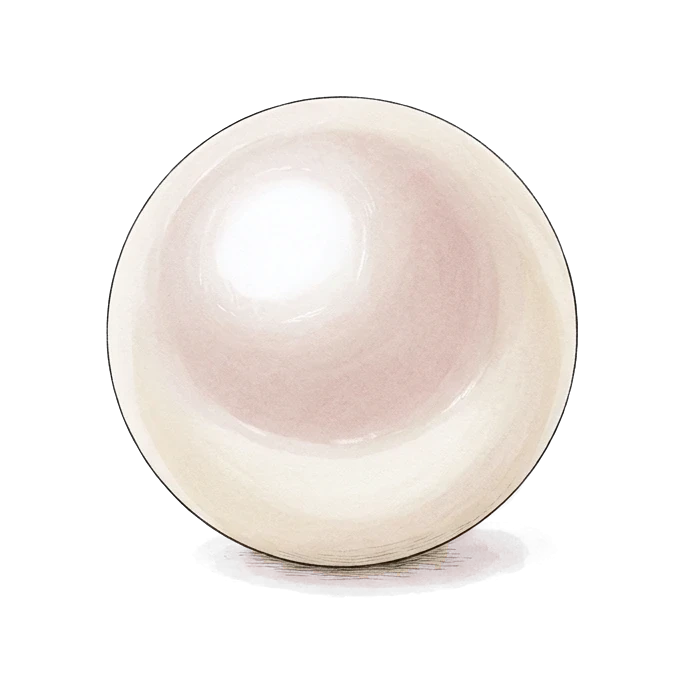
Pearl On the list since 1912
| 2.5–3 | |
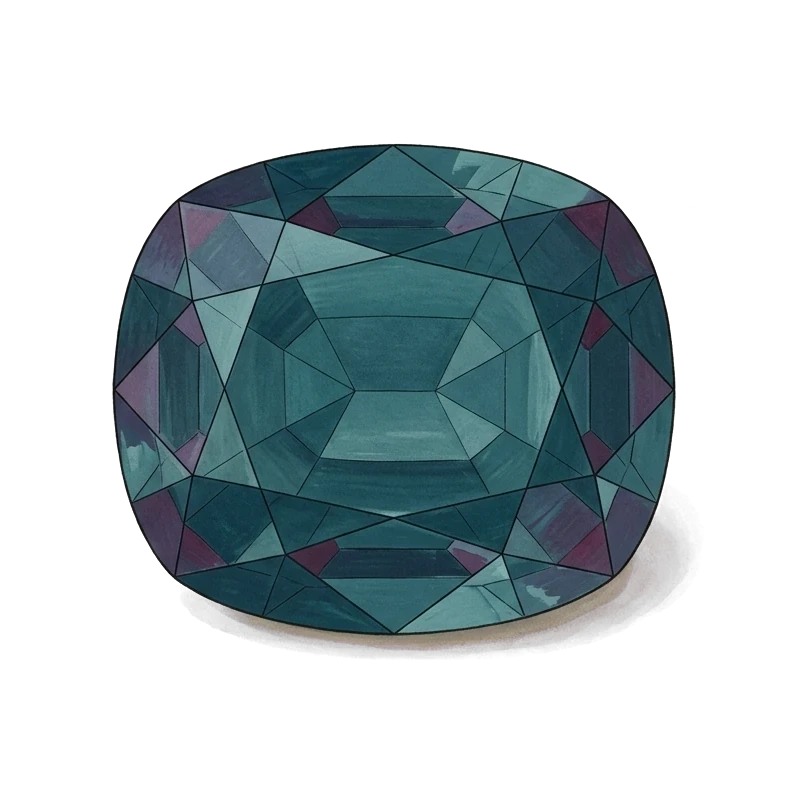
Alexandrite On the list since 1952
| 8.5 | |
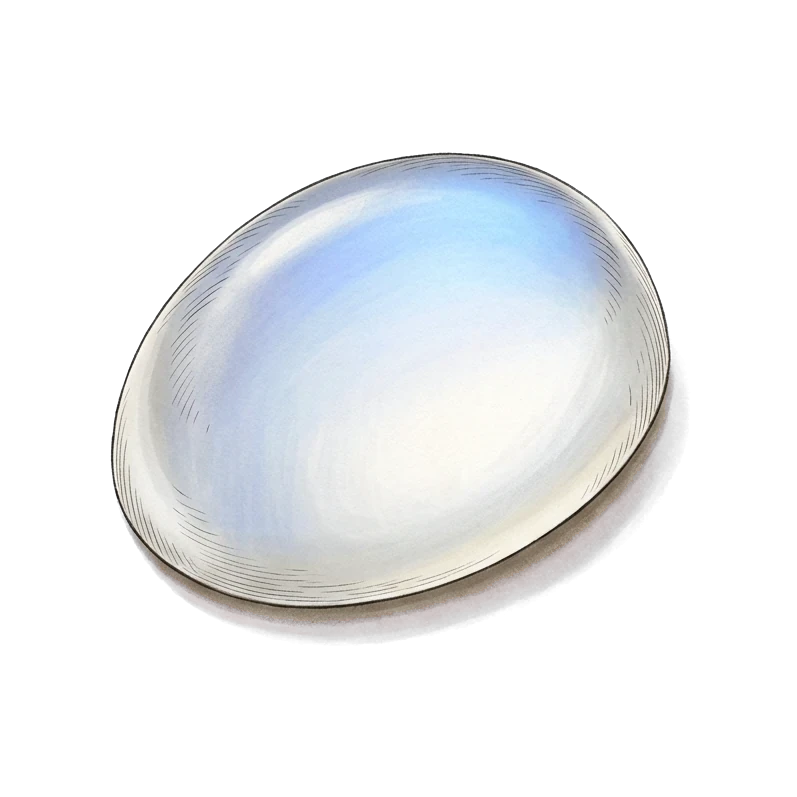
Moonstone On the list since 1912
| 6–6.5 |
Pearl is the classic look. Alexandrite is the one for a ring you’ll wear every day, and it changes color too. Moonstone has a soft glow and is usually the least expensive of the three.
What do the June birthstones mean?
Pearl birthstone: purity and innocence
Pearls grow inside oysters and mussels when the animal coats an irritant with layers of nacre. Ancient Middle Eastern cultures believed pearls were teardrops from heaven, and in China they were said to come from a dragon’s brain. They stand for purity, humility and innocence, and were traditionally given as wedding gifts.
Pearls in the Bible, cultured pearl types and the most famous pearls are on our page about pearl meaning and symbolism.
Alexandrite birthstone: named for a tsar
Alexandrite was found in Russia’s Ural Mountains in 1830 and named after the young heir Alexander II. Its red and green matched Russia’s imperial military colors. It was found too recently to gather any old folklore, so its meaning comes from that imperial story.
How its color change works is explained in our guide to the alexandrite stone.
Moonstone: love and good fortune
Romans and Greeks linked moonstone to their moon gods, and Hindu mythology describes it as solidified moonbeams. It’s linked to love and passion, and was believed to bring good fortune. Art Nouveau jewelers like René Lalique and Louis Comfort Tiffany made it fashionable.
For its moon lore and the truth about rainbow moonstone, read moonstone meaning.
June birthstone color: three very different looks
- Pearl: white and cream are classic, but pearls also come in pink, peach, black and brown.
- Alexandrite: green to bluish green in daylight, red to purplish red under incandescent light.
- Moonstone: the finest stones show a blue sheen, called adularescence, on a colorless body.
-
 White
-
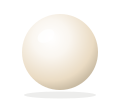 Cream
-
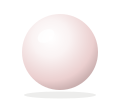 Pink
-
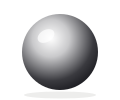 Black
-
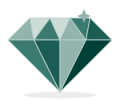 Green (daylight)
-
 Purplish red (lamplight)
-
 White with blue sheen
-
 Peach
-
 Gray
Can you wear pearl, alexandrite and moonstone every day?
| Hardness | 2.5–3 on the Mohs scale |
|---|---|
| Everyday ring? | Occasional wear Too soft or fragile for a daily ring. Best in earrings, pendants and rings for special days. |
| Family | Organic gem |
| Main sources | China (freshwater), Japan and China (Akoya), Australia to the Philippines (South Sea), French Polynesia (Tahitian) |
| Lab-grown | Pearls aren't made in labs. Almost all sold today are cultured, grown by a mollusk after a farmer implants a bead or tissue. |
| Anniversary | 3rd and 30th wedding anniversary |
| Hardness | 8.5 on the Mohs scale |
|---|---|
| Everyday ring? | Great for everyday Hard and tough enough for a ring worn every day. |
| Family | Chrysoberyl |
| Main sources | Brazil, Sri Lanka, East Africa, Russia (historic) |
| Lab-grown | Yes. It costs nowhere near as much per carat as natural alexandrite. |
| Anniversary | 55th wedding anniversary |
| Hardness | 6–6.5 on the Mohs scale |
|---|---|
| Everyday ring? | Occasional wear Too soft or fragile for a daily ring. Best in earrings, pendants and rings for special days. |
| Family | Feldspar |
| Main sources | India, Sri Lanka, Brazil, Madagascar, Myanmar, Tanzania |
The three stones could hardly be more different. Alexandrite is hard and tough, so it’s fine in a ring you wear every day. Pearl, at 2.5 to 3, scratches easily, and moonstone has poor toughness, so both are best in earrings, pendants and rings saved for special days.
How to buy pearl, alexandrite and moonstone
Nearly all pearls sold today are cultured: a farmer implants a bead or a piece of tissue, and the mollusk grows the pearl around it. Akoya pearls come mainly from Japan and China, South Sea pearls from Australia to the Philippines, Tahitian pearls from French Polynesia, and most freshwater pearls from China.
Newer alexandrite from Brazil, Sri Lanka and East Africa often shows a less complete color change than the old Russian stones, so judge the change in both kinds of light before you buy.
| Type | What to know |
|---|---|
| Natural | Grown by a wild mollusk with no help from people. Natural pearls are rare and expensive today. |
| Lab-grown | Pearls aren't made in labs. Almost all sold today are cultured, grown by a mollusk after a farmer implants a bead or tissue. |
| Imitation | Imitation pearls are manufactured to look like pearls. US rules require the word “imitation,” “artificial” or “simulated” before “pearl.” |
| Type | What to know |
|---|---|
| Natural | Mined. Ask the seller whether it has been treated. |
| Lab-grown | Real alexandrite, made in a lab. It costs nowhere near as much per carat as natural alexandrite. |
| Imitation | Cheap “alexandrite” jewelry is usually lab-made color-change corundum or glass. |
| Type | What to know |
|---|---|
| Natural | Mined. Ask the seller whether it has been treated. |
| Imitation | Glass sold as “opalite” and colored chalcedony can pass for moonstone. |
| Type | Price |
|---|---|
| AA+ grade | $580 |
| AAA grade | $795–$840 |
| Hanadama (top grade) | $1,400 |
Asking prices at two US pearl specialists. Smaller pearls, silver settings and lower grades cost less.
| Type | Price |
|---|---|
| Natural, small to large stones | $2,000–$16,000 |
| Type | Price |
|---|---|
| Classic moonstone | $1.30–$15 |
| Rainbow moonstone | $5–$60 |
| Cat’s-eye moonstone | $3–$50 |
Prices vary with size, color, clarity and seller. They’re a guide to what shops ask, not a valuation or an investment view.
How to clean pearl, alexandrite and moonstone
Cleaning pearl
- Warm soapy water, soft brush
- Usually safe
- Ultrasonic cleaner
- Never
- Steam cleaner
- Never
Wipe pearls with a soft damp cloth after each wear and use soapy water only now and then. Put on perfume, hair spray and makeup first, and never store pearls in plastic.
Cleaning alexandrite
- Warm soapy water, soft brush
- Safe
- Ultrasonic cleaner
- Usually safe
- Steam cleaner
- Usually safe
Cleaning moonstone
- Warm soapy water, soft brush
- Safe
- Ultrasonic cleaner
- Never
- Steam cleaner
- Never
It can crack in high heat.
Pearls need the most care: put on perfume, hair spray and makeup first, wipe them with a soft damp cloth after wearing, and store them apart from other jewelry, never in plastic. Moonstone can crack in high heat, so stick to warm soapy water, while alexandrite handles most cleaning methods.
June birthstone gift ideas
-
Pearl stud earrings
The classic June gift, and earrings keep soft pearls away from knocks.
-
An alexandrite ring
The only June stone hard enough for daily wear, and lab-grown stones bring the price down.
-
A moonstone pendant
Its blue glow shows best in a simple setting, and it’s gentle on the budget.
-
A pearl strand for a milestone
Pearls are a traditional wedding gift, and a strand of cultured pearls marks any big day.
Pearl, alexandrite and moonstone colors for parties and design
Pearl white, alexandrite green and moonstone silver make a soft palette for June weddings and birthdays. You’ll find the hex and RGB codes below.
- White Pearl #F4EFE6 rgb(244, 239, 230)
- Cream Pearl #EADBC3 rgb(234, 219, 195)
- Pink Pearl #EBCFCF rgb(235, 207, 207)
- Black Pearl #3A3A3F rgb(58, 58, 63)
- Green (daylight) Alexandrite #3B7A6E rgb(59, 122, 110)
- Purplish red (lamplight) Alexandrite #8E3B6E rgb(142, 59, 110)
- White with blue sheen Moonstone #E6ECF2 rgb(230, 236, 242)
- Peach Moonstone #F0D5C0 rgb(240, 213, 192)
- Gray Moonstone #B8B8BC rgb(184, 184, 188)
Every month’s stones in one palette, with a free download: birthstone colors by month.