Aquamarine or bloodstone: which March birthstone is yours?
Either one. Each is an official birthstone for March, and both have been on the US list since it began in 1912. The original list put bloodstone first and aquamarine second. Today GIA and the American Gem Society both list aquamarine first.
| Stone | Mohs | Everyday ring? |
|---|---|---|
Aquamarine On the list since 1912
| 7.5–8 | |
Bloodstone On the list since 1912
| 6.5–7 |
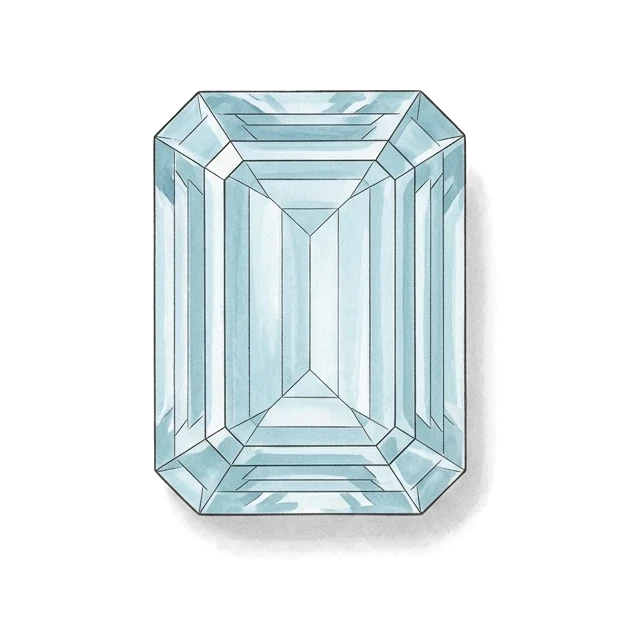
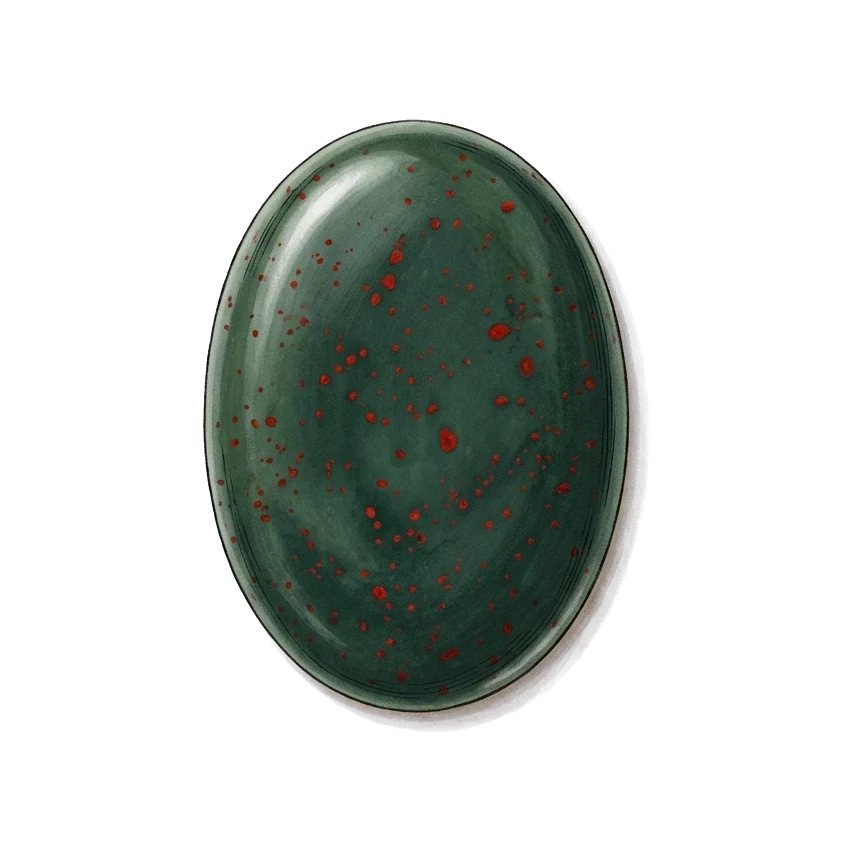
Aquamarine is the one to pick if you want a clear, sea-blue stone you can wear every day. Bloodstone is earthier: opaque, usually cut as a smooth dome, and with a long history behind it.
What do the March birthstones mean?
Aquamarine birthstone: safe voyages and a happy marriage
Aquamarine’s name comes from the Latin for “seawater.” Ancient sailors believed it calmed the waves and kept them safe, and it was also thought to bring happiness in marriage and sharpen the mind.
Its shades, its lore and famous stones like the 10,363-carat Dom Pedro are on our page about aquamarine color and meaning.
Bloodstone: courage
Bloodstone is also called heliotrope, from Greek words meaning “to turn the sun”: people once believed it turned the sun red when placed in water. The name bloodstone comes from a belief that its red spots were drops of Christ’s blood. There’s more of its lore in our guide to bloodstone meaning.
The old March verse Kunz recorded promises a bloodstone wearer will be wise and “in days of peril firm and brave,” which is why the stone stands for courage.
March birthstone color: aquamarine blue and bloodstone green
Aquamarine ranges from deep green-blue to a light, slightly greenish blue, and faceted stones are often clear and nearly free of inclusions. Bloodstone is dark green and opaque to semi-translucent, spotted with red iron oxides such as hematite.
-
 Light blue
-
 Sea blue
-
 Blue-green
-
 Dark green
-
 Red spots
Can you wear aquamarine and bloodstone every day?
| Hardness | 7.5–8 on the Mohs scale |
|---|---|
| Everyday ring? | Great for everyday Hard and tough enough for a ring worn every day. |
| Family | Beryl |
| Main sources | Brazil, Pakistan, Nigeria, Madagascar, Mozambique, United States (Colorado) |
| Treatments | Most is heated for a purer blue. Unheated blue stones can cost more. |
| Lab-grown | Yes. It has been grown in labs since at least 1990, and a gem lab can tell it from mined aquamarine. |
| Anniversary | 19th wedding anniversary |
| Hardness | 6.5–7 on the Mohs scale |
|---|---|
| Everyday ring? | Everyday, with care Fine in a ring if you take it off for chores and sports. Safest in earrings and pendants. |
| Family | Chalcedony (quartz) |
| Main sources | India, Brazil, Australia, China, United States |
| Lab-grown | No lab-grown bloodstone is known. |
Aquamarine, at 7.5 to 8, holds up well in a ring. Bloodstone, at 6.5 to 7, is softer and scratches more easily.
How to buy aquamarine and bloodstone: prices and lab-grown
With aquamarine, the stronger and purer the blue, the higher the price. Most stones on the market are heated for a purer blue. Bloodstone is one of the least expensive birthstones. The most valued is a deep forest green with scattered red spots.
| Type | What to know |
|---|---|
| Natural | Mined. Most is heated for a purer blue. Unheated blue stones can cost more. |
| Lab-grown | Real aquamarine, made in a lab. It has been grown in labs since at least 1990, and a gem lab can tell it from mined aquamarine. |
| Type | What to know |
|---|---|
| Natural | Mined. Ask the seller whether it has been treated. |
| Lab-grown | No lab-grown bloodstone is known. |
| Imitation | Glass can mimic its colors, like the Japanese “maple stone” with red “flowers.” |
| Type | Price |
|---|---|
| 1–5 carats | $20–$500 |
| Over 5 carats | $70–$1,000 |
| Type | Price |
|---|---|
| Green with red spots, 1 carat and up | $1.50–$6 |
Prices vary with size, color, clarity and seller. They’re a guide to what shops ask, not a valuation or an investment view.
How to clean aquamarine and bloodstone
Cleaning aquamarine
- Warm soapy water, soft brush
- Safe
- Ultrasonic cleaner
- Usually safe
- Steam cleaner
- Usually safe
Only for stones without fractures or liquid inclusions.
Cleaning bloodstone
- Warm soapy water, soft brush
- Safe
- Ultrasonic cleaner
- Not recommended
- Steam cleaner
- Not recommended
GIA advises warm soapy water and keeping it away from harsh chemicals and high heat.
Clean aquamarine with warm water, mild dish soap and a toothbrush, scrubbing behind the stone where dirt collects. Bloodstone needs only warm soapy water and a soft brush. Keep it away from harsh chemicals and high heat, and store it wrapped in soft fabric.
March birthstone gift ideas
-
An aquamarine ring
Hard enough for daily wear, and a light blue that goes with everything.
-
Bloodstone cufflinks or a signet ring
An opaque stone with a classic, understated look for a March birthday.
-
A large aquamarine pendant
Aquamarine is often cut in big sizes, and clear stones show off the color.
-
A 19th-anniversary gift
Aquamarine is the traditional gem for the 19th wedding anniversary.
Aquamarine and bloodstone colors for parties and design
Sea blue and deep green make an easy spring palette. Here are March’s birthstone colors as hex and RGB values.
- Light blue Aquamarine #9FD8E0 rgb(159, 216, 224)
- Sea blue Aquamarine #7FCBD6 rgb(127, 203, 214)
- Blue-green Aquamarine #5FB3B3 rgb(95, 179, 179)
- Dark green Bloodstone #2F5A43 rgb(47, 90, 67)
- Red spots Bloodstone #8B1A1A rgb(139, 26, 26)
Every month’s stones in one palette, with a free download: birthstone colors by month.