Pisces birthstones, old and new
Pisces is the only sign one of the three old lists leaves out. The 1604 Spanish list names Pisces but gives it no stone, so the sign has two zodiac stones, not three.
| Stone | Whose list |
|---|---|
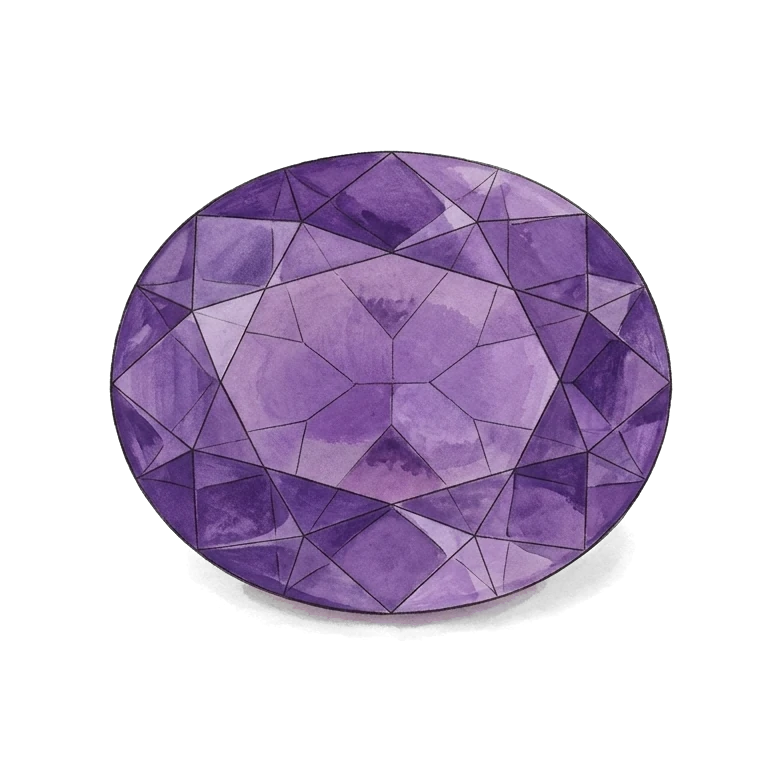
| Amethyst | Kunz’s verses (1913). George F. Kunz printed it in 1913 as “Zodiacal Gems,” one stone and a short rhyme for each sign. |
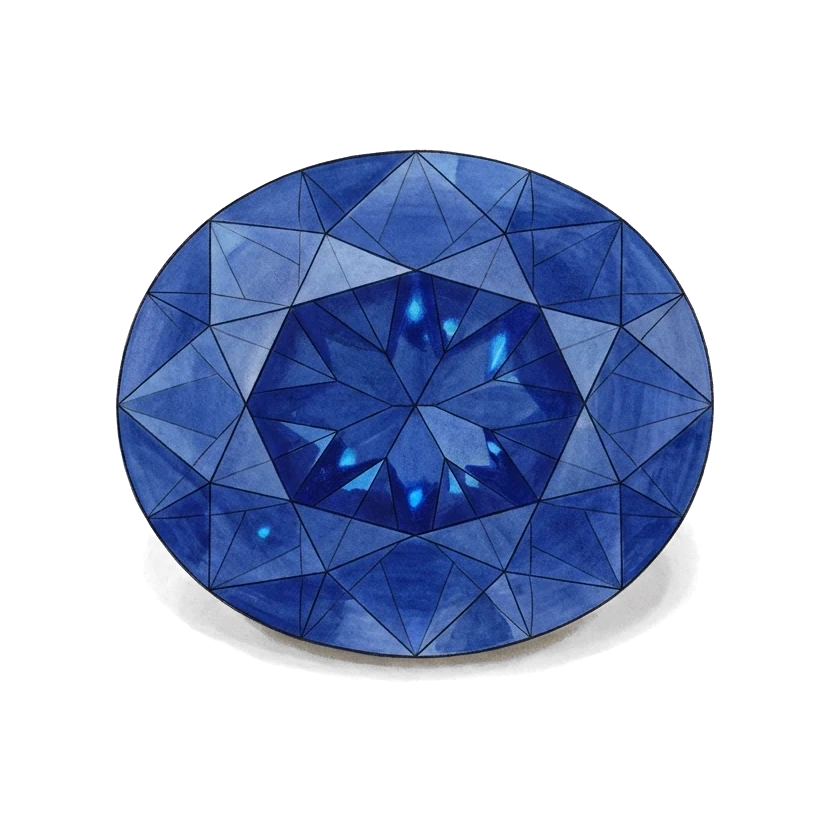
| Sapphire | Agrippa’s table (1533). Heinrich Cornelius Agrippa’s book of occult philosophy, printed in 1533, sets twelve stones beside the twelve signs in its table of the number twelve. |
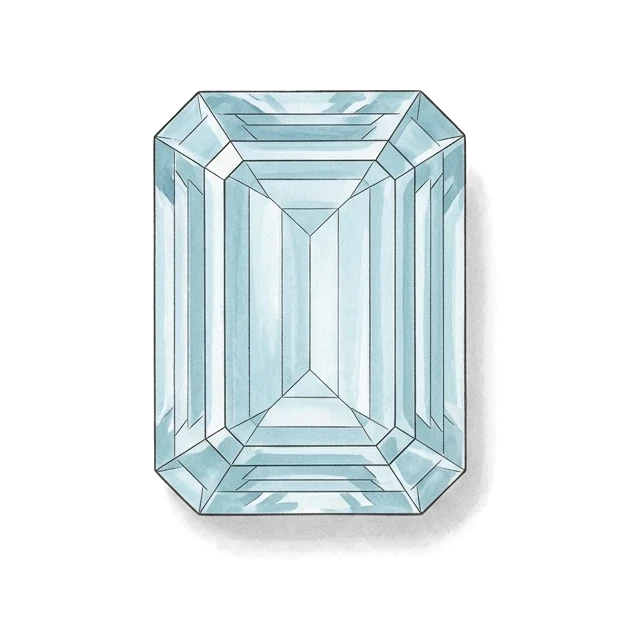
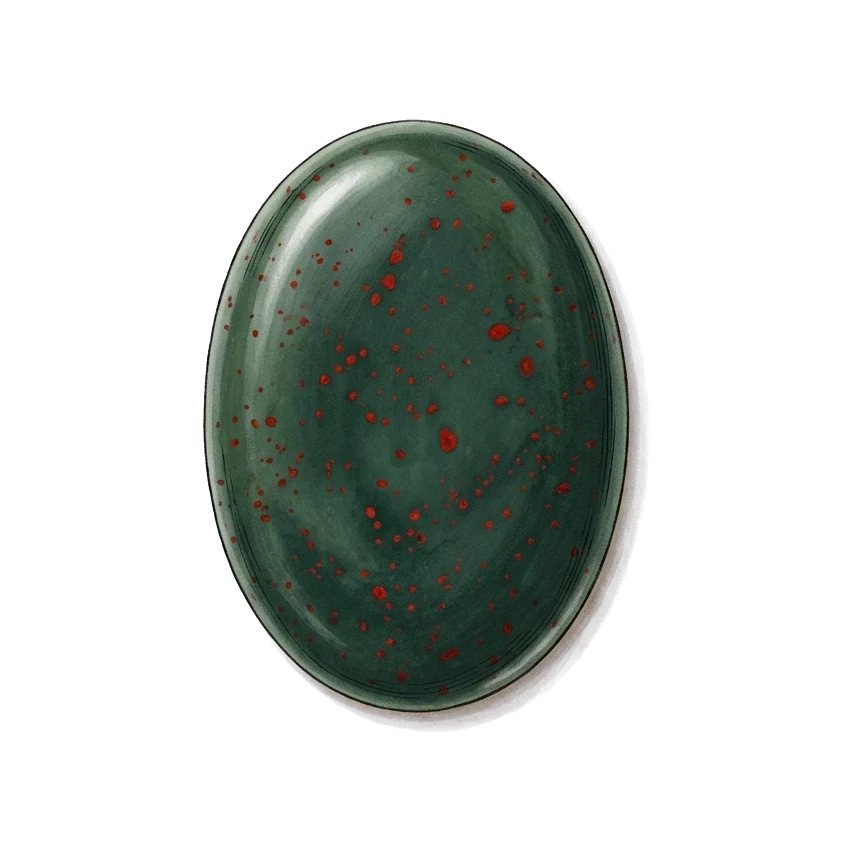
| Amethyst February 19–29 Aquamarine and bloodstone March 1–20 | The birth month. The modern US birthstones of February and March, the months Pisces’s dates fall in. |
Kunz’s rhyme for Pisces sets amethyst against passion and care: “From passion and from care kept free / Shall Pisces’ children ever be / Who wear so all the world may see / The amethyst.” Amethyst is the Pisces zodiac stone on the International Gem Society’s table too.
February’s rhyme says almost the same thing. Kunz’s list of the months gives February amethyst and the sign Pisces, and its verse offers “Freedom from passion and from care” to the woman who wears one.
February Pisces or March Pisces
A February Pisces birthstone is amethyst. A March Pisces birthstone is aquamarine or bloodstone. Pisces has 10 days in February, 11 in a leap year, and 20 in March, so aquamarine is the month stone most Pisces have.
For a February Pisces, the verses and the calendar agree on amethyst. A March Pisces has more to choose from: aquamarine and bloodstone by month, amethyst by the verses, sapphire by Agrippa.
Pisces birthstone colors
Pisces’ stones lean cool: purple, pale blue and, with sapphire, deep blue.
-
- Purple
- Lilac
- Deep violet
-
- Blue
- Pink
- Yellow
- Pinkish orange (padparadscha)
-
- Light blue
- Sea blue
- Blue-green
-
- Dark green
- Red spots
Sapphire today doesn’t have to be blue. It is the mineral corundum, which comes in every color but red, and a red one is a ruby.
Venus, Cupid and the Euphrates
The story Roman writers tell starts on the Euphrates. Venus and her son Cupid were by the river when the monster Typhon appeared, and they leapt into the water and turned into fish to escape. Hyginus adds that for this reason the Syrians of the region would not eat fish.
Ovid tells it differently, and in February. In his calendar poem, as the Water-Carrier sets, two fish carry the goddess and her child on their backs to safety, “wherefore they now possess the stars, a guerdon meet.”
Aratus describes the two fishes joined by chains from their tails, knit by a single bright star called the Knot of Tails.
The Babylonians had no pair of fishes here. Their name for these stars was “the Tails of the Swallow,” a great bird beside the goddess Anunitu, and the two fishes came later.
The sign of March
In the calendar of the J. Paul Getty Museum’s Stammheim Missal, made in Hildesheim probably in the 1170s, the two fish of Pisces mark March.
Kunz’s Jupiter stones
Ptolemy assigned Sagittarius and Pisces to Jupiter. Kunz lists the planets’ stones too, and puts both of Pisces’ old stones, sapphire and amethyst, “under the control of Jupiter.” India’s navaratna gives Jupiter yellow sapphire or topaz, and charts built on the planets give Pisces yellow sapphire from it.
Pisces dates
Pisces usually runs from February 19 to March 20 and ends at the March equinox. The equinox comes about six hours later each year and a day earlier in leap years, so February 18 or 19 and March 20 or 21 can fall on either side.
Today the Sun at that equinox sits in the constellation Pisces, where it moved from Aries over many centuries. The sign keeps its place and its stones all the same.