Gemini birthstones on each list
Gemini is the sign where the lists split most clearly: the old zodiac answer is agate, and the month answer for most Gemini birthdays is pearl. The table sets every one out.
| Stone | Whose list |
|---|---|
| Agate | Kunz’s verses (1913). George F. Kunz printed it in 1913 as “Zodiacal Gems,” one stone and a short rhyme for each sign. |
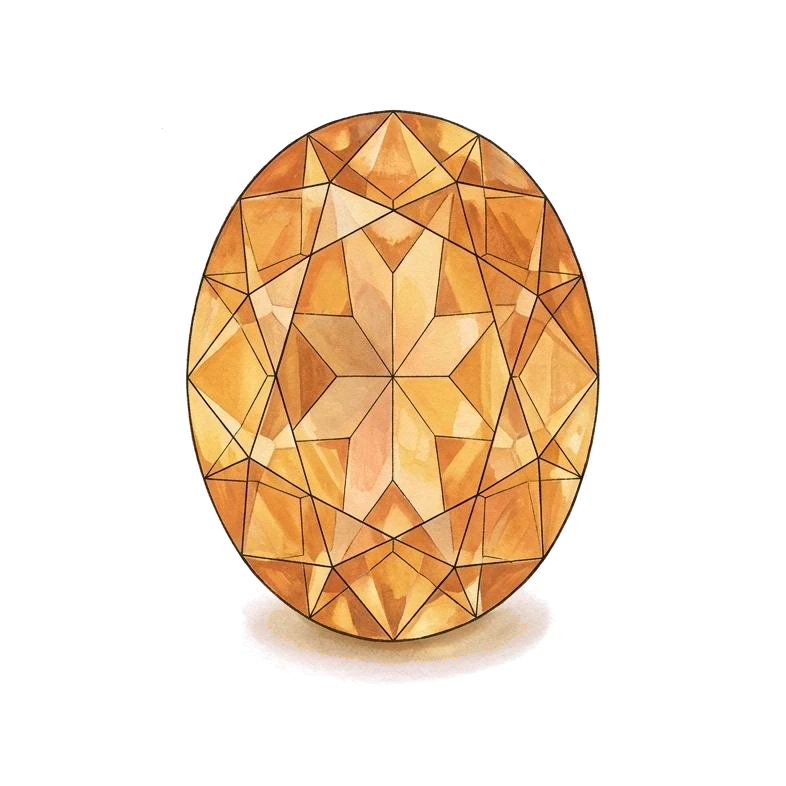
| Topaz | Agrippa’s table (1533). Heinrich Cornelius Agrippa’s book of occult philosophy, printed in 1533, sets twelve stones beside the twelve signs in its table of the number twelve. |
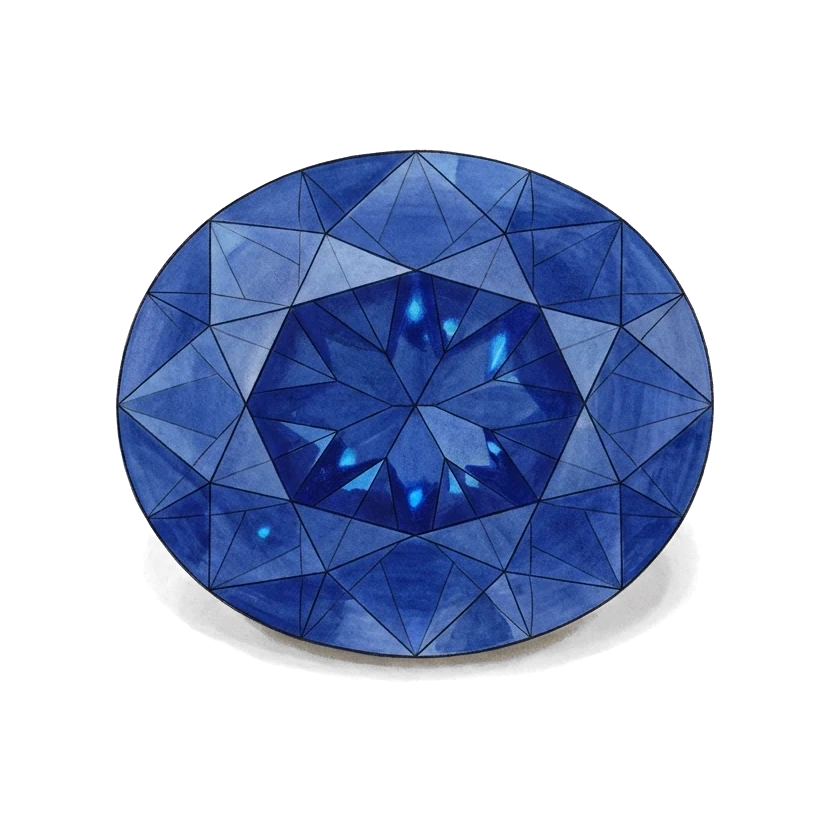
| Sapphire | The Spanish list (1604). From a 1604 Spanish book on gems by Morales, which Kunz quotes and thought probably came from Arab tradition. |
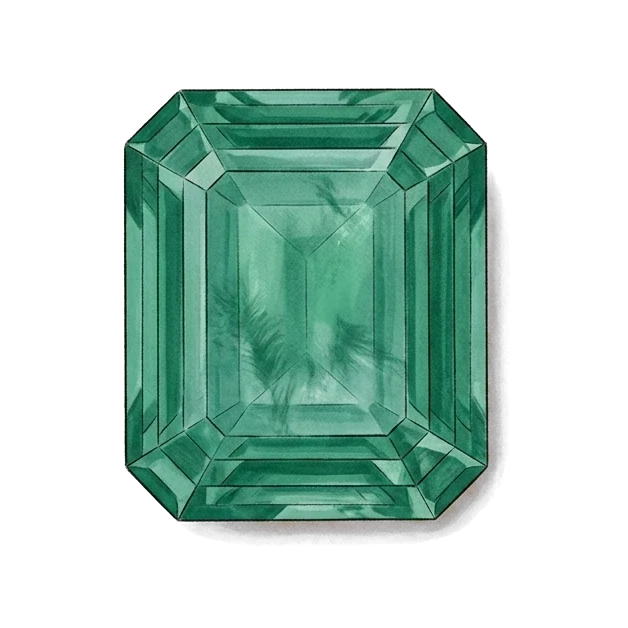
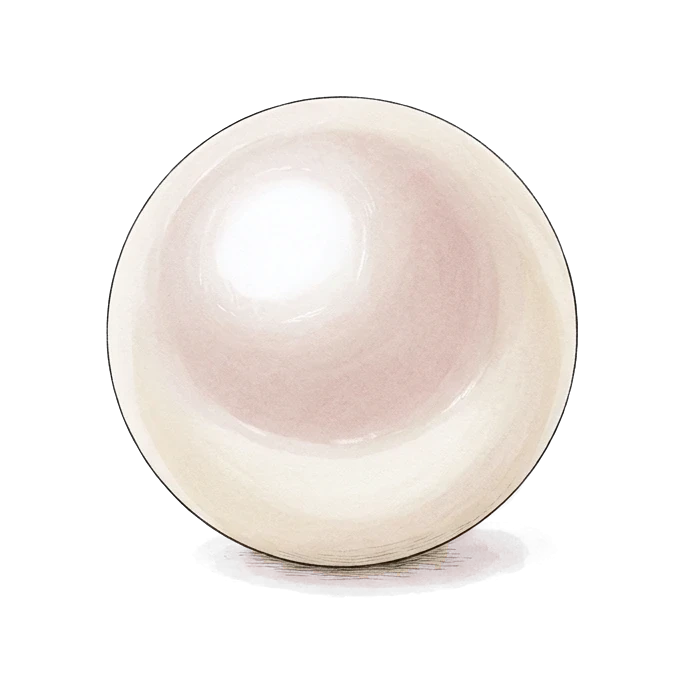
| Emerald May 21–31 Pearl, alexandrite and moonstone June 1–20 | The birth month. The modern US birthstones of May and June, the months Gemini’s dates fall in. |
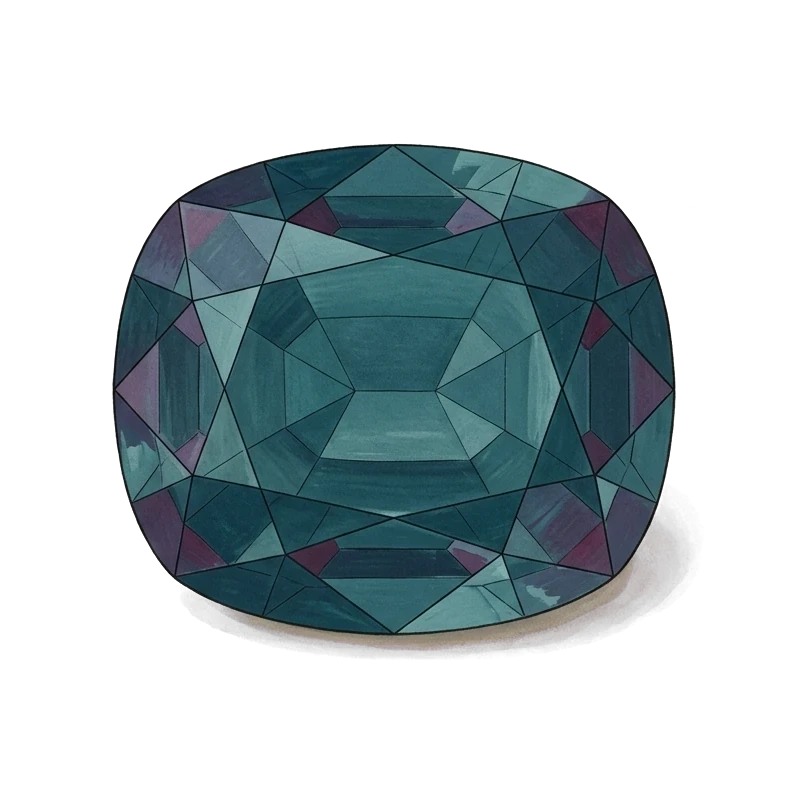
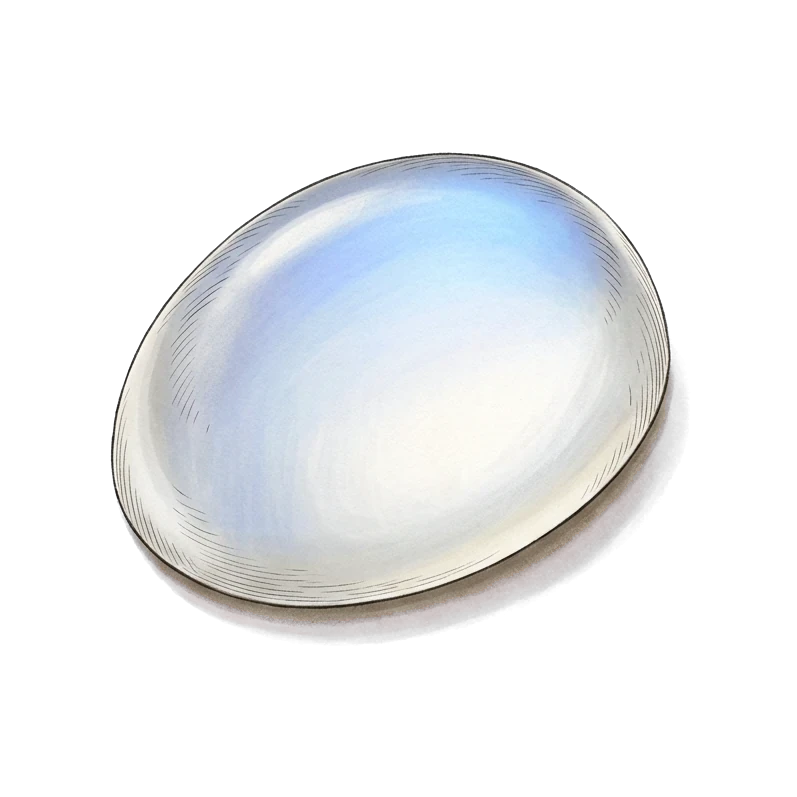
The Gemini stone in Kunz’s verses, and on the International Gem Society’s zodiac table today, is agate. The verse promises that Gemini’s children who wear “rings on either hand / Of agate” will prosper.
The verse looks borrowed from June. In the month list Kunz prints in the same book, agate is June’s stone and emerald May’s, and the June rhyme makes much the same promise. That list pairs May with Gemini and June with Cancer, so the zodiac verses swap the two stones: agate goes to Gemini and emerald to Cancer.
May Gemini or June Gemini
A May Gemini birthstone is emerald. A June Gemini birthstone is any of June’s three: pearl, alexandrite or moonstone. Twenty of Gemini’s thirty-one days are in June, so most Gemini have June’s stones, pearl first among them.
A Gemini can wear agate for the sign and pearl or emerald for the month. No rule says you have to pick one.
Gemini birthstone colors
Agate alone covers a wide range of Gemini birthstone colors, and the month stones add white, green, and alexandrite’s change from green in daylight to purplish red under lamplight.
-
Agate, a chalcedony, a kind of quartz, usually in layers or bands of color
- Banded blue-gray
- Honey brown
- Milky white
-
- Golden orange
- Blue
- Pink
-
- Blue
- Pink
- Yellow
- Pinkish orange (padparadscha)
-
- Green
- Bluish green
-
- White
- Cream
- Pink
- Black
-
- Green (daylight)
- Purplish red (lamplight)
-
- White with blue sheen
- Peach
- Gray
Agate is a chalcedony, a quartz made of crystals too small to see, and its colors come from traces of iron, manganese and other elements laid down in layers or bands. Many richly colored banded agates for sale are dyed, an old practice that chalcedony’s porous structure makes easy.
The twins in the stars
Gemini’s twins are Castor and Pollux, the sons of Leda. Homer already tells the core of their story: the two live and die on alternate days, honored by Zeus even below the earth. In Ovid’s version, Pollux asks Jupiter to split his immortality with his dead brother, and the two share it turn by turn.
Hyginus says Jupiter set them in the sky as a reward for their loyalty, and Neptune gave them the power to help shipwrecked sailors. He also lists other candidates for the twins, among them Hercules and Apollo. The Babylonians had twins here too, the Great Twins, two armed gods of the underworld.
The twins on a gem
The Harvard Art Museums have a Roman intaglio in hematite showing the god Serapis between two small figures of the Dioscuri, the twins, each with a star above his head.
Emerald, Mercury’s gem
In Ptolemy’s astrology, Gemini and Virgo are the two houses of Mercury. In India’s navaratna, Mercury’s gem is emerald, so a chart that pairs each sign with its planet’s gem gives Gemini emerald, the stone a May Gemini already has.
Gemini dates
Gemini usually runs from May 21 to June 20. Because the signs follow the equinoxes and solstices, which come about six hours later each year and a day earlier in leap years, May 20 and 21 and June 20 and 21 can fall on either side.