Sagittarius stones by tradition
Two of the three old Sagittarius stones are birthstones of the sign’s own months today, which is rare. Here they are list by list, followed by the months.
| Stone | Whose list |
|---|---|
| Topaz | Kunz’s verses (1913). George F. Kunz printed it in 1913 as “Zodiacal Gems,” one stone and a short rhyme for each sign. |
| Hyacinth | Agrippa’s table (1533). Heinrich Cornelius Agrippa’s book of occult philosophy, printed in 1533, sets twelve stones beside the twelve signs in its table of the number twelve. |
| Emerald | The Spanish list (1604). From a 1604 Spanish book on gems by Morales, which Kunz quotes and thought probably came from Arab tradition. |
| Topaz and citrine November 22–30 Turquoise, tanzanite and zircon December 1–21 | The birth month. The modern US birthstones of November and December, the months Sagittarius’s dates fall in. |
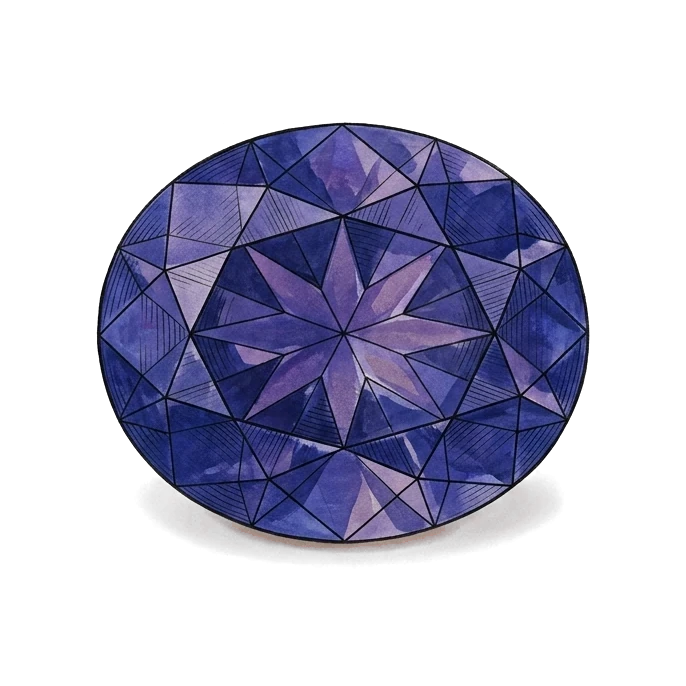
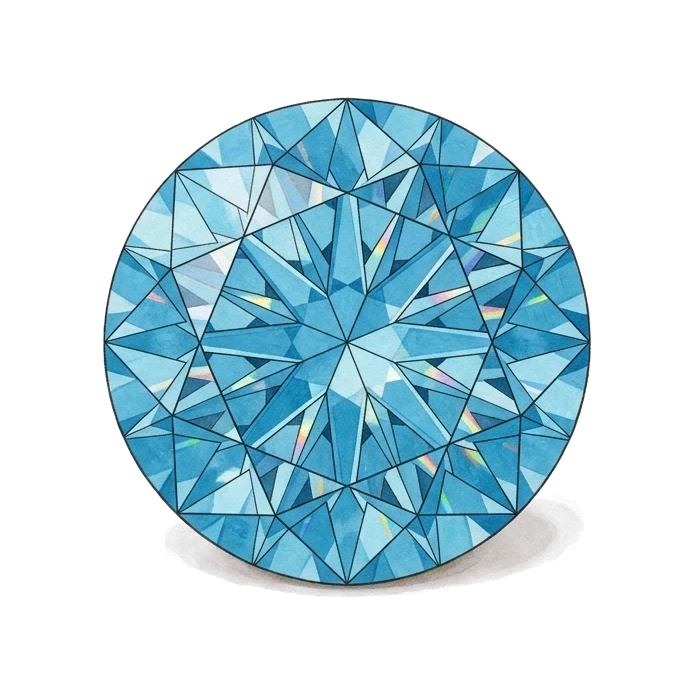
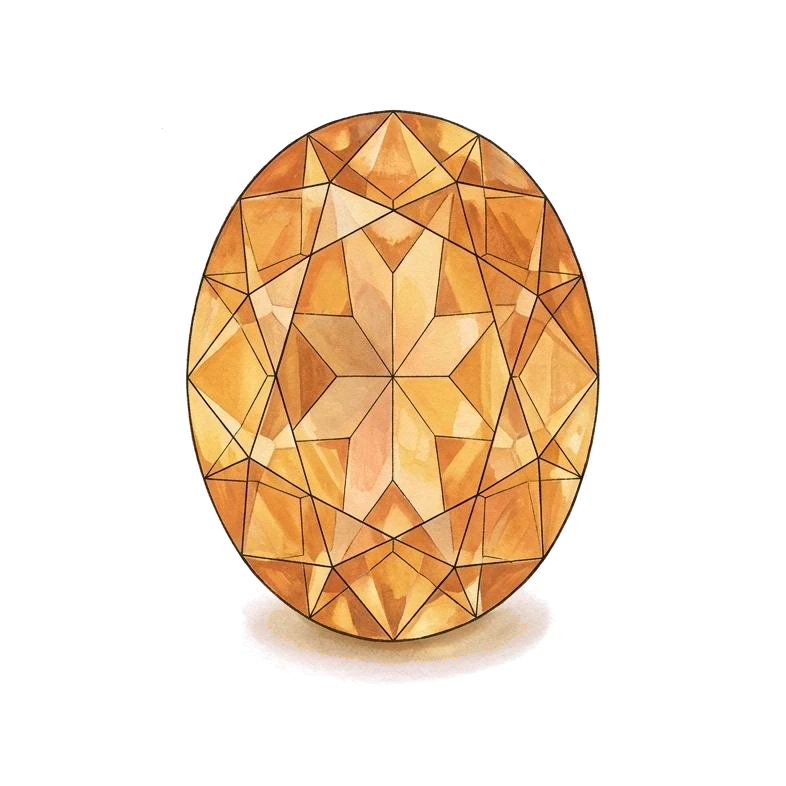
Kunz’s Sagittarius verse closes on topaz: “Who first comes to this world below / Under Sagittarius should know / That their true gem should ever show / A topaz.” The International Gem Society’s zodiac table gives the same Sagittarius zodiac stone.
The first line is the same as November’s. Kunz’s November rhyme opens “Who first comes to this world below / With drear November’s fog and snow,” its stone is topaz, and the sign his month list pairs with November is Sagittarius.
Hyacinth and zircon
Agrippa’s stone for Sagittarius is hyacinth, and his table sets it in the same column as the month of November. Hyacinth is a name for reddish brown zircon, and it was once given to hessonite garnet as well, and to sapphire by older writers. Read as zircon, Agrippa’s stone is now a birthstone of December, the sign’s other month.
November Sagittarius or December Sagittarius
A November Sagittarius birthstone is topaz or citrine. A December Sagittarius birthstone is turquoise, tanzanite or zircon. Sagittarius has 9 days in November and 21 in December, which is why most charts we read give the sign turquoise.
A November Sagittarius can wear topaz and have the verses and the calendar on its side. A December one can wear zircon and have Agrippa’s.
Sagittarius birthstone colors
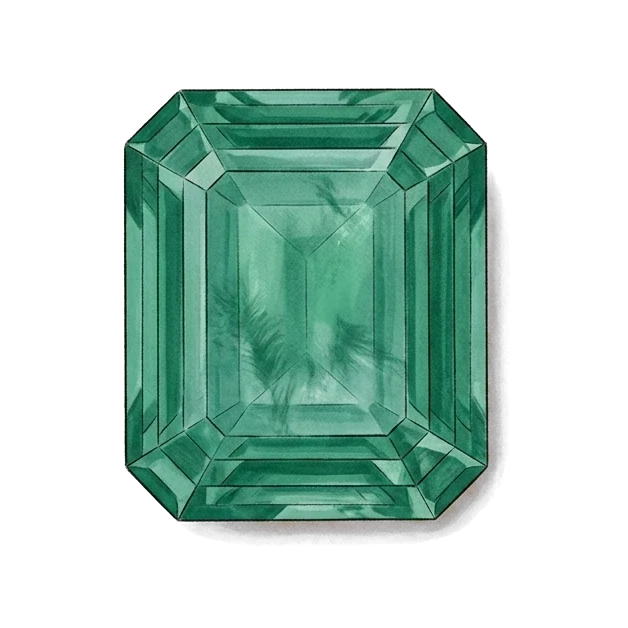
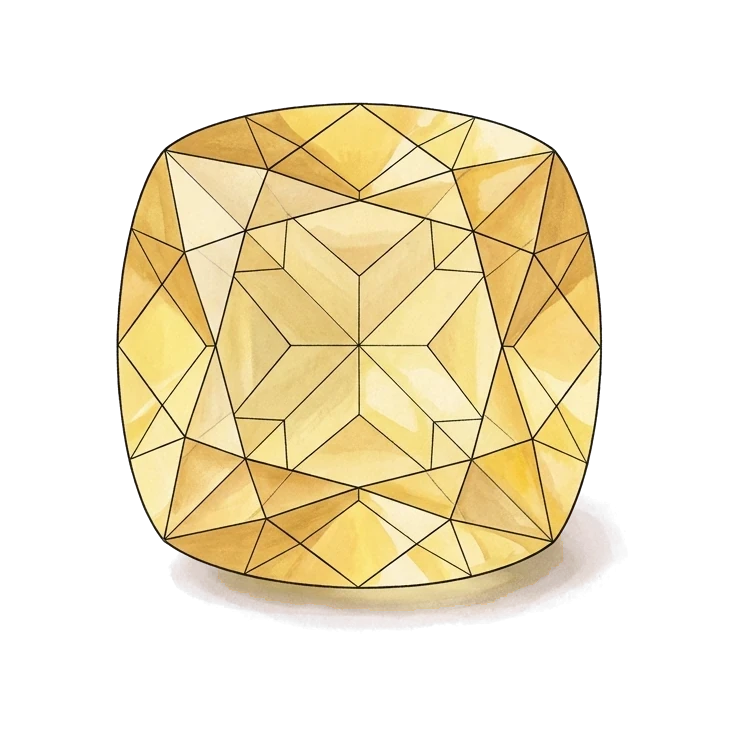
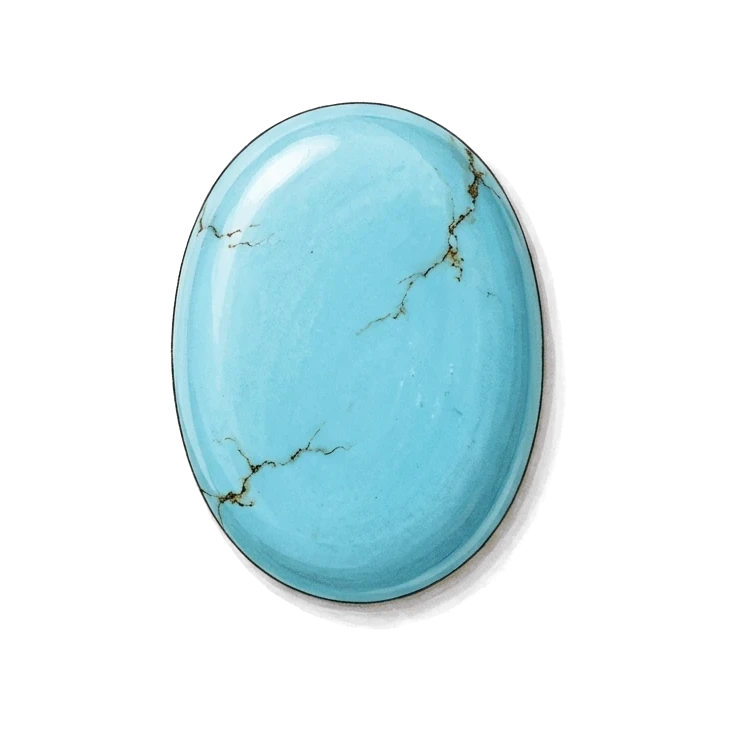
The stones cluster around blue and gold: blue topaz, turquoise, tanzanite and blue zircon on one side, golden topaz, citrine and reddish brown hyacinth on the other.
-
- Golden orange
- Blue
- Pink
-
Hyacinth, a name for reddish brown zircon, once also given to hessonite garnet
- Reddish brown
-
- Green
- Bluish green
-
- Yellow
- Orange-brown
-
- Robin’s egg blue
- Green-blue
-
- Violet-blue
- Blue
-
- Blue
- Colorless
- Golden yellow
The topaz in Kunz’s November verse has an “amber hue.” Topaz comes in a very wide range, from brown and orange to pink, purple and blue, and colorless topaz is plentiful and often treated to turn it blue. Its name is usually traced to Topazios, an island in the Red Sea that never produced topaz but did yield peridot, which was confused with it.
Crotus, Chiron and Pabilsag
Not everyone in antiquity agreed the archer was a centaur. Hyginus reports that some denied it, since no centaur uses arrows, and asks why he has a satyr’s tail. Some, he says, called him Crotus, son of the Muses’ nurse, who lived on Mount Helicon and hunted, and whom Jupiter put among the stars at the Muses’ request.
The just centaur Chiron, who raised Achilles, is a separate constellation in Hyginus, the Centaur.
The Babylonians saw the god Pabilsag here, a god of farming and war drawn as a winged horse-man with a scorpion’s tail, holding a bow. The Greeks simplified him into a centaur.
Aratus warned sailors that when the Sun is in the Bow, the sea is no place to spend the night. Sagittarius also points at the center of the galaxy: the black hole at the heart of the Milky Way, Sagittarius A*, lies in this constellation.
Jupiter’s yellow stones
In Ptolemy’s astrology, Sagittarius and Pisces are the houses of Jupiter. India’s navaratna gives Jupiter yellow sapphire or topaz, so charts built on the planets arrive at topaz too, from a different direction.
Sagittarius dates
Sagittarius usually runs from November 22 to December 21 and ends at the December solstice. The solstices come about six hours later each year and a day earlier in leap years, so November 21 or 22 and December 21 or 22 can fall on either side.